Dragon Ball Video Games on PC and Console: Which Type of Game Is Which
Kakarot, Xenoverse, FighterZ, Sparking! Zero, The Breakers: what each modern Dragon Ball game on PC and console offers fans, how much story it covers and who it suits.
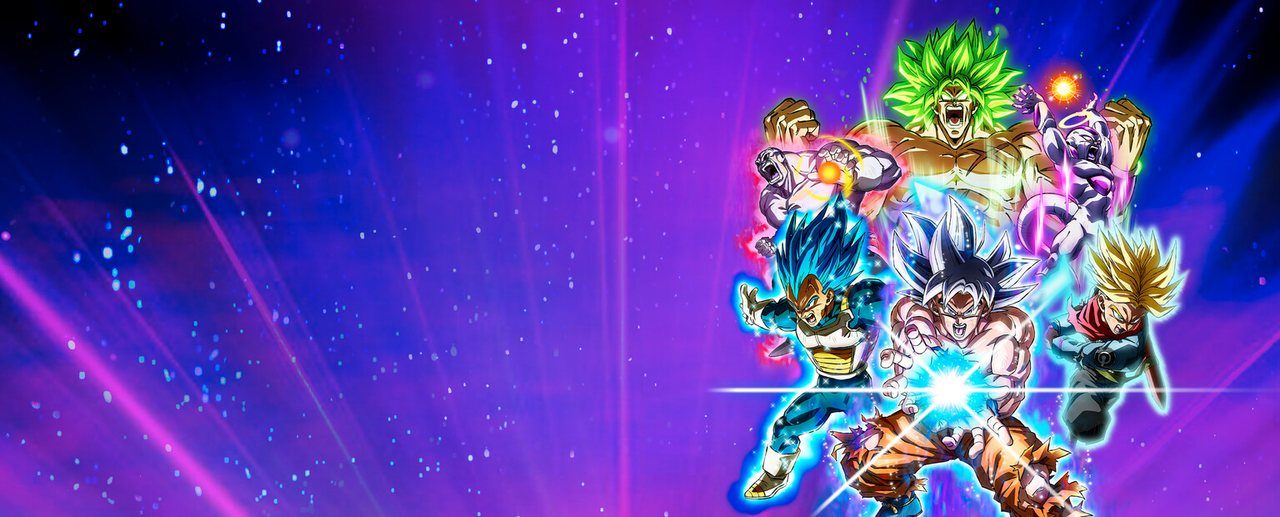
Dragon Ball has one of the longest-running relationships with video games of any anime franchise, and the modern lineup on PC and console can be confusing. Several current games star the same characters, share the same publisher, Bandai Namco, and even retell some of the same battles, yet they are completely different kinds of games. A fan who wants to relive the story of Dragon Ball Z will have a very different experience in Kakarot than in Sparking! Zero, and someone who wants to create their own Saiyan will want Xenoverse rather than either.
This guide sorts the main modern Dragon Ball games into families, explains what each offers a fan, which parts of the story it covers and which platforms it runs on. It focuses on what the games are like to own and play, not on competitive technique.
The quick overview
| Game | Type | Developer | First release | Platforms |
|---|---|---|---|---|
| Dragon Ball Xenoverse 2 | Create-a-character action RPG | Dimps | October 2016 | PC, PS4, Xbox One, Switch (2017), PS5 and Xbox Series X|S (2024) |
| Dragon Ball FighterZ | 2D team fighting game | Arc System Works | January 2018 | PC, PS4, Xbox One, Switch; PS5 and Xbox Series X|S (2024) |
| Dragon Ball Z: Kakarot | Single-player story action RPG | CyberConnect2 | January 2020 | PC, PS4, Xbox One, Switch (2021), PS5 and Xbox Series X|S (2023) |
| Dragon Ball: The Breakers | Online asymmetric survival | Dimps | October 2022 | PC, PS4, Xbox One, Switch |
| Dragon Ball: Sparking! Zero | 3D arena fighter | Spike Chunsoft | October 2024 | PC, PS5, Xbox Series X|S; Switch and Switch 2 (November 2025) |
All of these are published by Bandai Namco Entertainment. Release dates above are the first launches; several games arrived on newer hardware years later.
Dragon Ball Z: Kakarot: the story game
If your goal is to experience the Dragon Ball Z storyline from beginning to end, Kakarot is the most direct way to do it. Developed by CyberConnect2, the studio known for its anime-faithful Naruto games, it is a single-player action RPG that follows Goku and his allies through the four major sagas of Dragon Ball Z: the Saiyan, Frieza, Cell and Buu sagas.
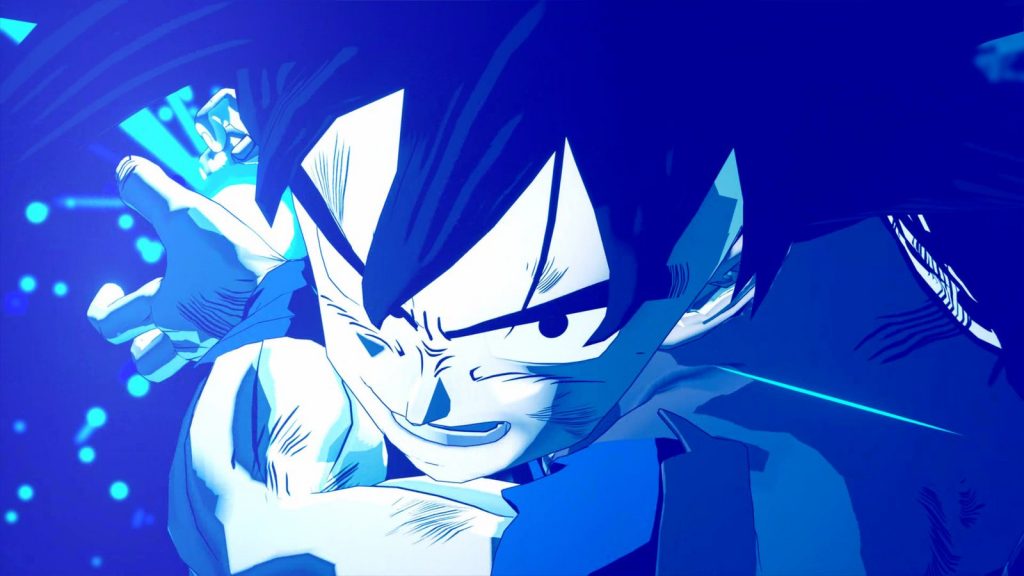
The game mixes three kinds of activity:
- Story battles recreate key fights from the anime with cinematic cutscenes.
- Open hub areas let you fly around regions of the Dragon Ball world, collect items, fish, cook and complete side quests featuring familiar characters.
- Light RPG systems, such as levelling, skill trees and a “Community Board” that grants bonuses based on which characters you place together, add a sense of progression.
Kakarot has been extended with a long series of DLC. According to its release history, these include the two-part A New Power Awakens (covering Dragon Ball Super’s Beerus and Golden Frieza material), Trunks: The Warrior of Hope (2021), Bardock: Alone Against Fate (2023), The 23rd World Tournament (2023) and Goku’s Next Journey (2024), plus a card battle mode added by free update in 2020. Another episode based on Dragon Ball Daima was announced in 2024. The game passed 10 million copies sold by January 2026.
Who it suits: fans who want the story, newcomers who know the characters only vaguely, and anyone who prefers single-player games. It does not require online play.
Xenoverse 2: build your own warrior
The Xenoverse games take a different approach. Instead of playing as Goku, you create your own character from one of several races (Saiyan, Earthling, Namekian, Frieza Race and Majin), customise their appearance and moves, and join the Time Patrol. The premise is that history is being altered, and your job is to travel into famous moments of the Dragon Ball story to make sure they turn out as they should.
Developed by Dimps, Xenoverse 2 (2016) built on the original Xenoverse (2015) with a larger hub city, more story and a long tail of updates. It mixes:
- A story mode that revisits arcs from Dragon Ball Z and Super through the time-travel framing, sometimes with altered “what if” twists.
- Character progression, where your custom character learns moves from mentors drawn from the cast.
- Online hub and co-op missions in which players team up against powerful enemies.
Xenoverse 2 has received paid DLC packs and free updates over many years, and it came to PS5 and Xbox Series X|S in 2024. In April 2026 Bandai Namco announced Dragon Ball Xenoverse 3, again developed by Dimps and set in a new West City in Age 1000, targeting a 2027 release on PS5, Xbox Series X|S and PC.
Who it suits: fans who want to put themselves in the Dragon Ball world, enjoy character customisation and like a mix of solo and online play.
Sparking! Zero: the arena battle game
Dragon Ball: Sparking! Zero, developed by Spike Chunsoft and released in October 2024, is the latest entry in the Budokai Tenkaichi series that many fans remember from the PlayStation 2 era. It is a 3D arena fighter: battles take place in large, partly destructible environments where characters fly, dash and fire energy attacks at each other, with an over-the-shoulder camera that captures the feel of the anime’s biggest clashes.
Its appeal for fans is breadth. The game launched with a roster of well over a hundred playable characters and transformations from across Dragon Ball, Dragon Ball Z, GT, Super and the films, and post-launch packs pushed that number higher, including characters from Dragon Ball Daima.
For story, Sparking! Zero uses Episode Battles: short campaigns that follow several individual characters through events from Dragon Ball Z and Dragon Ball Super. Making different choices or meeting certain conditions can unlock alternate “Sparking! episodes”, what-if branches that let fans see familiar fights end differently. A Custom Battle mode lets players build their own scenarios and share them online.
The game sold more than 3 million copies within its first day and reached 5 million by February 2025, and it arrived on Nintendo Switch and Switch 2 in November 2025.
Who it suits: fans who want spectacle and a huge roster, and who enjoy recreating or reimagining iconic battles. It plays well casually against the computer or friends.
FighterZ: the 2D fighting game
Dragon Ball FighterZ, released in January 2018 and developed by Arc System Works, is a 2D team fighting game where players pick three characters and swap between them. It is best known for its striking visuals, which use 3D models rendered to look like hand-drawn anime, and for faithfully recreating scenes and poses from the show.
For fans, the main non-competitive draw is its story mode, an original storyline built around a new character, Android 21. It is told across several arcs from different characters’ perspectives. FighterZ also has local and online versus modes, and it received a PS5 and Xbox Series X|S release in 2024.
Who it suits: fans who enjoy fighting games or want the most anime-like visuals in a Dragon Ball game. Its story mode is enjoyable, but it is not a retelling of the anime the way Kakarot is.
The Breakers and other online spin-offs
Dragon Ball: The Breakers, released in October 2022 and developed by Dimps, is an asymmetric online game in the vein of Dead by Daylight. A group of ordinary survivors tries to escape while one player controls a powerful villain, such as Cell, Frieza or Majin Buu, who hunts them down and grows stronger. It is built around online matches and does not tell a traditional story.
Bandai Namco has continued to experiment with online formats. Dragon Ball: Gekishin Squadra, an online team-battle game, launched in September 2025 on PC, PS4, PS5, Switch and Switch 2. Games like these depend on active online communities, so it is worth checking current server status and player activity before buying.
Who they suit: players who enjoy competitive online formats with friends rather than single-player stories.
Which game covers which part of the story?
| Game | Story approach | Eras covered |
|---|---|---|
| Kakarot | Faithful retelling with side content | Dragon Ball Z (Saiyan to Buu), plus Super, Bardock, Future Trunks and other material via DLC |
| Xenoverse 2 | Time-travel framing with altered history | Z and Super, plus original content |
| Sparking! Zero | Character-focused episodes with what-if branches | Z and Super |
| FighterZ | Original story | New story featuring Android 21 |
| The Breakers | No traditional story | Online matches only |
None of these games cover the original Dragon Ball series (Goku’s childhood adventures) in depth, so fans of that era will find limited material in the modern lineup.
Ratings, purchases and the mobile gacha question
Mainstream Dragon Ball games are aimed at teenagers and older. Sparking! Zero, for example, is rated T (Teen) by the ESRB for violence, mild language and mild suggestive themes, with an In-Game Purchases notice, and it is listed as PEGI 12 in Europe. Ratings can differ between games and regions, so check the specific listing; our guide to ESRB and PEGI ratings explains what the labels mean.
Unlike the gacha games this site usually covers, the console and PC Dragon Ball games listed here are traditional paid releases. Their extra content comes as fixed-price DLC packs and season passes rather than randomised pulls, so you always know what you are buying. Dragon Ball also has well-known gacha titles, such as Dokkan Battle and Dragon Ball Legends, but those are mobile games and fall outside the scope of this guide. If younger players in your household use any of these games, the purchase controls in our parental controls guide work for DLC as well.
Choosing your first Dragon Ball game
- “I want the story.” Start with Kakarot.
- “I want my own character in the Dragon Ball world.” Xenoverse 2, or keep an eye on Xenoverse 3.
- “I want huge battles with every character.” Sparking! Zero.
- “I like fighting games and anime art.” FighterZ.
- “I want something to play online with friends.” The Breakers or newer online spin-offs, after checking that the community is active.
The base games are complete experiences in their own right. DLC adds more story or characters, but none of it is required to enjoy the main content, and waiting for complete or discounted editions is a perfectly reasonable approach.