The highly anticipated horror sequel The Sinking City 2, developed by Ukrainian studio Frogwares, has launched to disappointing player numbers on Steam. Released on August 18, 2026, the Lovecraftian detective horror game has struggled to gain traction with the gaming community, failing to surpass even 2,000 concurrent players at its peak. This underwhelming performance raises questions about the game’s market positioning and the impact of certain localization decisions on its commercial viability.
Lackluster Launch Numbers Raise Concerns
According to Steam tracking data, The Sinking City 2 has demonstrated remarkably modest player engagement since its release. The game’s peak concurrent player count has remained below the 2,000 mark, a figure that falls significantly short of expectations for a sequel to a reasonably successful franchise. The original Sinking City, released in 2019, managed to attract a considerably larger audience despite its own controversial launch circumstances, including well-publicized disputes between Frogwares and their former publisher Nacon over intellectual property rights and revenue sharing.
Industry analysts suggest that several factors may be contributing to the sequel’s poor performance. The horror gaming market has become increasingly competitive in recent years, with major releases from established franchises and innovative indie titles vying for player attention. Additionally, the game’s premium pricing in a market saturated with free-to-play alternatives and frequent sales may have deterred potential buyers from taking a chance on the title during its launch window.
Localization Decisions and Market Impact
One significant factor that has drawn attention in gaming communities is Frogwares’ decision regarding language support for the title. The studio, based in Kyiv, Ukraine, has made the choice not to include Russian language localization in The Sinking City 2. This decision, while understandable given the ongoing geopolitical situation and the studio’s Ukrainian identity, has effectively cut off access to a substantial segment of the potential player base in Russian-speaking regions, which historically represented a significant market for PC gaming products on Steam.
Frogwares has been vocal about their position regarding Russia since 2022, when the full-scale invasion of Ukraine began. The studio has previously made statements about their stance and has adjusted their business practices accordingly. While many in the international gaming community have expressed support for the developer’s principled position, others have questioned whether such decisions ultimately harm the studio’s commercial interests and ability to continue producing quality games in the long term.
Historical Context and Studio Background
Frogwares has been developing games since 2000, becoming best known for their series of Sherlock Holmes adventure games before transitioning to the Lovecraftian horror genre with the original Sinking City in 2019. The studio has faced numerous challenges throughout its history, including the aforementioned legal disputes with publishers and the difficulties of operating a game development company in a country experiencing armed conflict. Despite these obstacles, the team has continued to produce content, with The Sinking City 2 representing their most ambitious project to date.
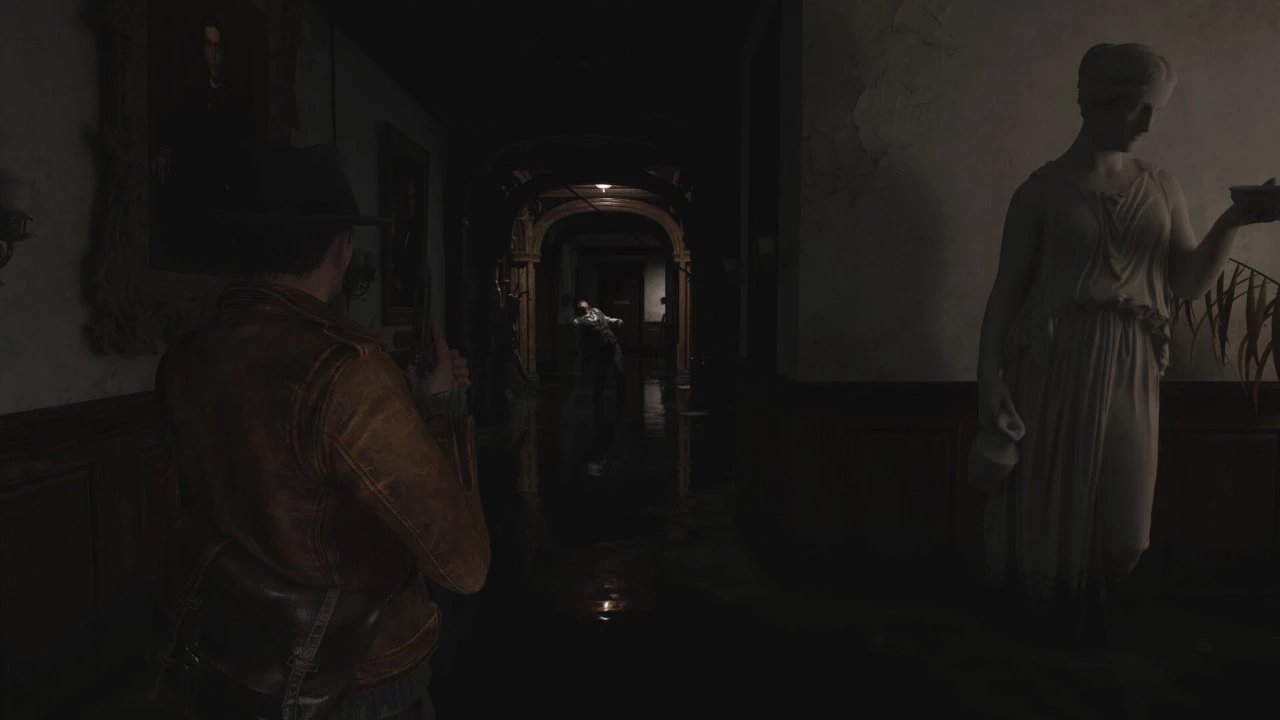
The original Sinking City was a detective adventure game set in a flooded 1920s Massachusetts city plagued by supernatural forces inspired by the works of H.P. Lovecraft. While it received mixed reviews for its technical performance and repetitive gameplay elements, many praised its atmospheric world-building and unique premise. The sequel promised to address many of the criticisms leveled at the original while expanding the scope of the investigation mechanics and horror elements.
What This Means for the Future
The disappointing launch numbers for The Sinking City 2 may have significant implications for Frogwares’ future projects. Game development is an expensive endeavor, and studios often rely on strong launch sales to fund continued development and future titles. Whether the game can build momentum through word of mouth, content updates, or eventual sales remains to be seen. The studio has not yet commented publicly on the sales figures or their expectations for the title’s long-term performance.
The gaming industry will be watching closely to see how The Sinking City 2 performs over the coming months. Post-launch updates, potential localization changes, and seasonal sales could all impact the game’s trajectory. For now, however, the title serves as a cautionary tale about the complex interplay between political decisions, market dynamics, and commercial success in the modern gaming landscape.
Expert Opinion: The Sinking City 2’s underwhelming launch demonstrates that even principled business decisions carry real commercial consequences in the global gaming market. While Frogwares’ stance reflects their values as a Ukrainian company during wartime, the studio may need to explore alternative revenue strategies, such as expanded localization for other emerging markets or partnerships with publishers who can provide stronger marketing support. The coming quarter will be critical in determining whether the game can recover through organic growth or whether this represents a significant setback for the independent developer.