Arc System Works, the renowned Japanese developer behind beloved fighting game franchises Guilty Gear and BlazBlue, recently found itself at the center of a heated controversy after publishing official guidelines for fan-created content based on its intellectual properties. The announcement sparked immediate backlash from the Japanese fan community, with many interpreting the rules as a blanket ban on adult-themed fan creations. However, the company has since moved to clarify its position, attempting to calm the storm of criticism that erupted across social media platforms.
The initial controversy began when Arc System Works released its updated content policy, which appeared to restrict certain types of derivative works created by fans. Japanese fans, particularly those involved in the doujinshi (self-published works) community, interpreted these guidelines as a direct attack on their creative freedoms. The doujinshi market has deep roots in Japanese pop culture, with fan-created comics, artwork, and stories representing a significant portion of anime and gaming fandom expression. Many creators felt that the new rules would effectively eliminate a cherished tradition that has existed for decades.
Understanding the Doujinshi Culture and Its Importance
To fully appreciate why this controversy generated such intense reactions, one must understand the unique position doujinshi holds in Japanese creative culture. Unlike many Western countries where fan works exist in a legal gray area that companies rarely acknowledge, Japan has cultivated a more symbiotic relationship between original creators and fan communities. Events like Comiket (Comic Market), held twice yearly in Tokyo, attract hundreds of thousands of attendees and feature thousands of circles selling fan-made content, including adult material based on popular franchises. This ecosystem has historically been tolerated and even quietly encouraged by many Japanese companies, who recognize that such fan engagement helps maintain interest in their properties and serves as a breeding ground for future professional talent.
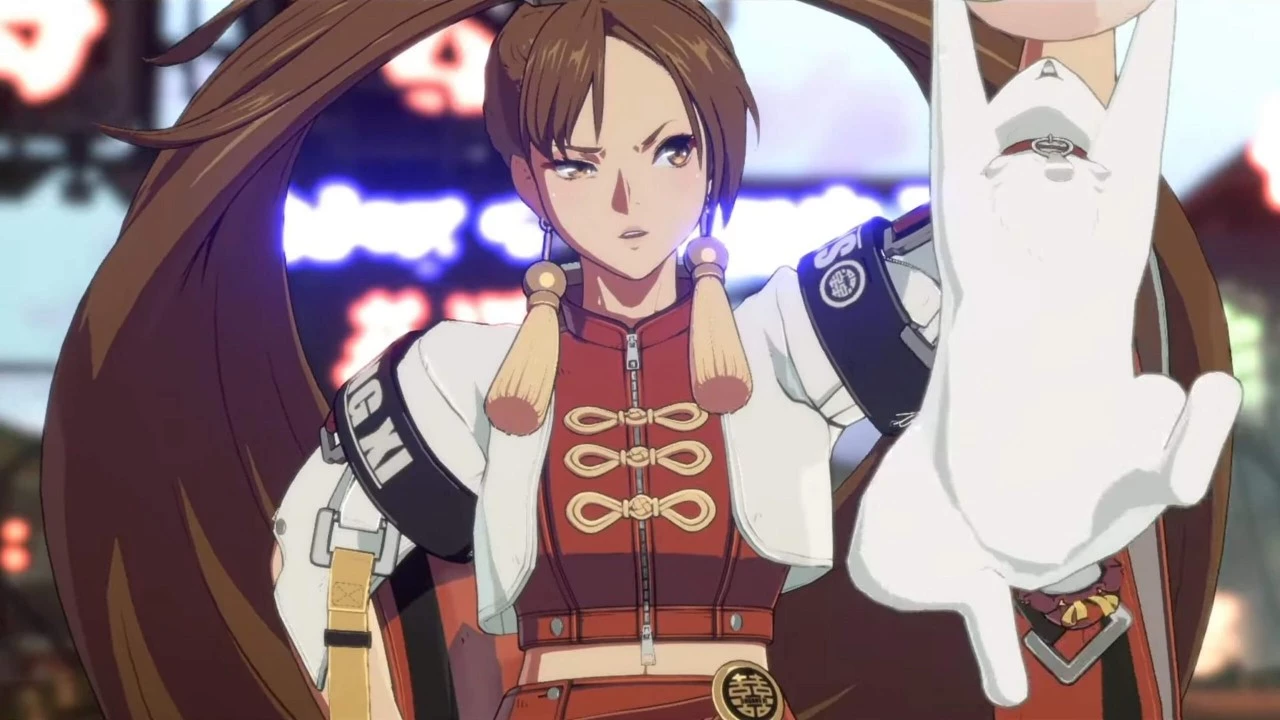
Arc System Works’ games have always enjoyed particularly passionate fan communities. Guilty Gear, first released in 1998, is known for its striking visual design, rock-inspired soundtrack, and complex characters that have inspired countless fan interpretations over the years. BlazBlue, which debuted in 2008, similarly cultivated a devoted following with its intricate storyline and memorable cast. Both series feature distinctive anime-style art direction that naturally lends itself to fan creative expression, making any perceived restriction on such content especially sensitive to these communities.
Arc System Works Responds to Fan Concerns
Following the wave of criticism, Arc System Works issued clarifying statements to address fan concerns. The company explained that its guidelines were not intended as a sweeping prohibition on all adult fan content, but rather aimed to establish clear boundaries regarding commercial exploitation and content that could damage the brand’s image in specific ways. The clarification emphasized that the company continues to appreciate and support fan creativity within reasonable limits, acknowledging the important role that fan communities play in sustaining interest in their franchises.
Industry observers note that this incident reflects a broader tension in the gaming and entertainment industries regarding intellectual property rights and fan engagement. As companies become more global in their reach, they often face pressure to establish consistent policies that can be applied across different cultural contexts. What may be acceptable or even celebrated in Japan might create legal or reputational issues in other markets, forcing developers to navigate complex waters when establishing content guidelines. Arc System Works, which has seen significant growth in Western markets following the critical and commercial success of Guilty Gear Strive in 2021, likely considered multiple regional perspectives when drafting its policy.
The Broader Impact on Gaming Fan Communities
This controversy highlights ongoing debates within the gaming industry about how companies should engage with fan communities in the digital age. Some argue that strict content policies protect brand integrity and ensure that intellectual properties maintain their intended artistic vision. Others contend that fan creativity should be embraced as a natural extension of cultural participation and that heavy-handed restrictions can alienate the most passionate supporters of a franchise. The Arc System Works situation demonstrates how quickly misunderstandings can escalate in the age of social media, where initial reactions often outpace careful reading of official communications.
Moving forward, the incident may prompt other Japanese game developers to review their own fan content policies and consider how they communicate guidelines to their communities. Clear, transparent communication appears essential in maintaining positive relationships with fan bases that have grown accustomed to certain creative freedoms. For Arc System Works, the challenge will be maintaining this delicate balance as their games continue to attract global audiences with potentially different expectations regarding fan content creation and intellectual property boundaries.
Expert Opinion: This incident reflects the growing pains of Japanese gaming companies expanding into global markets while trying to preserve traditional fan culture relationships. We can expect more developers to face similar challenges as they attempt to create universal content policies that satisfy both legal requirements in Western markets and cultural expectations in Japan. The key takeaway is that transparent, proactive communication with fan communities is no longer optional—it’s essential for maintaining brand loyalty in an era of instant social media reactions.