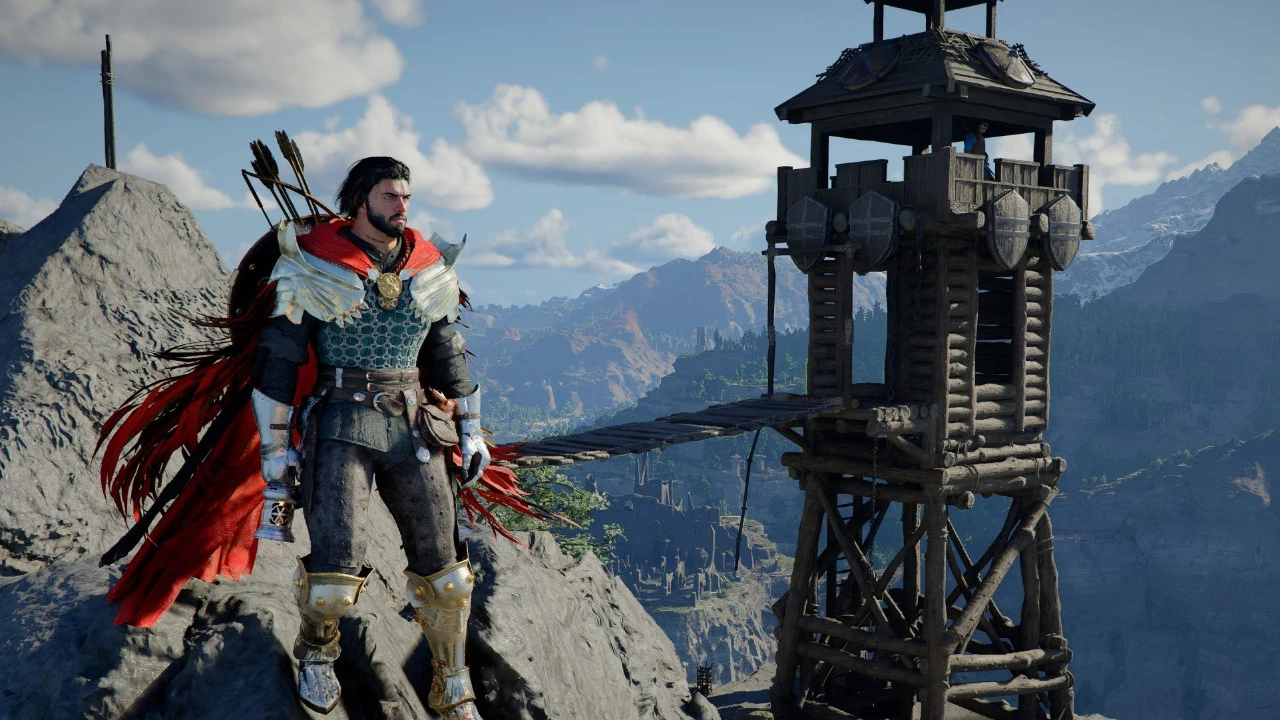

Panache Digital Games has officially released their long-awaited supernatural action game 1666: Amsterdam into early access, marking a significant milestone for a project that has been in development limbo for over a decade. The game, which blends historical settings with dark mystical elements, has received a mixed but cautiously optimistic reception from early adopters, with many players advising potential buyers to wait for further development while acknowledging the game’s underlying potential.
The initial player feedback suggests that 1666: Amsterdam delivers an intriguing concept and atmospheric experience, but suffers from the typical rough edges expected of an early access title. Steam reviews indicate that the core gameplay mechanics and narrative foundation are solid, though technical issues, incomplete features, and balance problems currently hamper the overall experience. The consensus among early purchasers is that the game demonstrates genuine promise, warranting patience rather than immediate purchase for most players.
A Decade-Long Journey to Release
The history behind 1666: Amsterdam is as dramatic as the game itself. The project was originally conceived by Patrice Désilets, the creative mind behind the original Assassin’s Creed games at Ubisoft. Désilets began developing 1666 at THQ Montreal before the publisher’s bankruptcy in 2013 led to Ubisoft acquiring the studio. A highly publicized legal battle ensued, during which Désilets fought to reclaim the intellectual property rights to his creation. After years of litigation, he successfully regained control of the project and founded Panache Digital Games to continue its development.
This tumultuous development history has generated significant interest within the gaming community, particularly among fans who appreciated Désilets’ earlier work on the Assassin’s Creed franchise. The early access release represents not just the launch of a new game, but the culmination of a personal creative struggle that has captivated industry observers for years. The 17th-century Amsterdam setting, combined with supernatural horror elements, offers a unique blend that distinguishes it from other action games in the market.
Gameplay and Setting
Set during the Dutch Golden Age, 1666: Amsterdam places players in a meticulously crafted historical environment where dark forces lurk beneath the surface of one of Europe’s most prosperous cities. The game combines third-person action combat with exploration and narrative-driven gameplay, promising a blend of historical authenticity and supernatural horror. Players navigate through the city’s iconic canals, merchant houses, and shadowy alleyways while confronting both human adversaries and otherworldly threats.
The early access version showcases the game’s atmospheric ambitions, with detailed period architecture and moody lighting creating an immersive 17th-century environment. However, players have noted that combat mechanics require additional refinement, and some gameplay systems feel incomplete. The development team has indicated plans for regular updates and community feedback integration, following the early access model that has proven successful for other ambitious independent titles.
What Early Access Means for Players
Early access releases have become an increasingly common strategy for independent studios seeking to fund continued development while building community engagement. For 1666: Amsterdam, this approach allows Panache Digital Games to gather player feedback, identify bugs, and refine gameplay systems before the final release. The studio has committed to transparent communication with players regarding development progress and planned improvements, a crucial factor in maintaining community trust during the early access period.
Industry analysts note that the success of early access titles often depends heavily on developer responsiveness and the quality of the underlying game concept. With Désilets’ proven track record and the game’s unique historical-supernatural premise, 1666: Amsterdam appears well-positioned to evolve into a polished final product. However, players considering purchase should be aware that the current version represents a work in progress, and the full vision may take months or even years to fully materialize.
Expert Opinion: Given Patrice Désilets’ pedigree and the game’s unique conceptual foundation, 1666: Amsterdam has strong potential to become a cult favorite once fully developed. The early access feedback loop should accelerate refinement, but prospective players would be wise to monitor development progress over the next six months before committing to purchase, as the core experience is likely to improve substantially with continued updates.