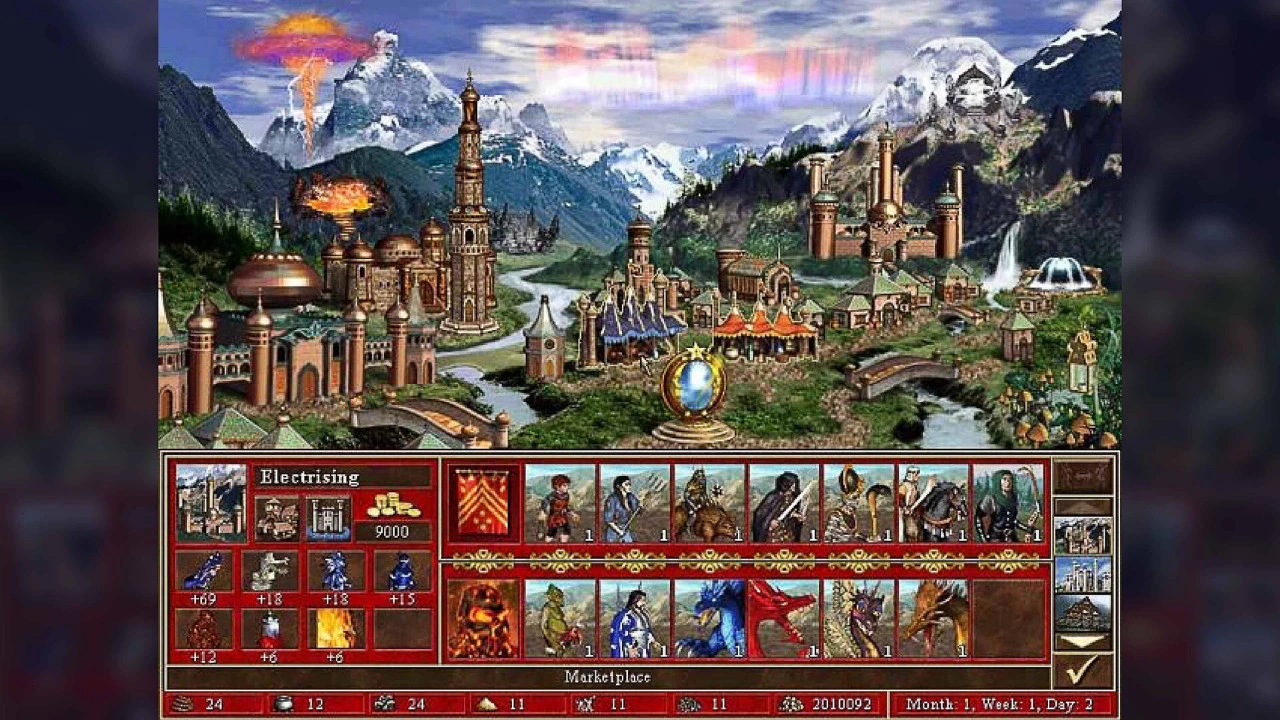
After years of persistent requests from dedicated fans, Ubisoft has finally released the original version of Heroes of Might and Magic III on Steam. The beloved 1999 strategy classic has been a staple of gaming culture for over two decades, and its devoted community has long demanded access to the complete original experience on modern digital platforms. However, what should have been a celebration has quickly turned into controversy, as players accuse the publisher of implementing questionable pricing practices that feel like a betrayal of loyal customers.
The Long Road to Steam Release
The journey to this release has been fraught with disappointment. In 2015, Ubisoft released Heroes of Might and Magic III HD Edition, which was met with significant criticism from the gaming community. The remastered version notably lacked the beloved expansion packs — “Armageddon’s Blade” and “The Shadow of Death” — as well as the random map generator, a feature that had provided countless hours of replayability for fans. These omissions made the HD version feel incomplete compared to the original Complete Edition that players had cherished for years. The community never stopped voicing their desire for access to the full, original experience through legitimate digital channels.
Heroes of Might and Magic III, developed by New World Computing and originally published by 3DO Company, is widely considered one of the greatest turn-based strategy games ever created. Released in February 1999, the game combined deep tactical combat with resource management and exploration, set against a rich fantasy backdrop. The game sold millions of copies worldwide and spawned a passionate community that continues to create mods, balance patches, and custom content to this day. The fan-made HD mod called “Horn of the Abyss” has become particularly popular, adding new factions and content while maintaining the spirit of the original.
Ubisoft’s Pricing Controversy
While the arrival of the original game on Steam should have been cause for celebration, Ubisoft’s implementation has left many fans feeling exploited. Reports indicate that the publisher has priced the title in a way that many consider unreasonable for a 26-year-old game. Furthermore, the pricing structure and regional variations have drawn accusations of anti-consumer practices. Players in various regions have reported inconsistent pricing that doesn’t reflect local purchasing power, a common complaint against major publishers in the gaming industry. The situation has been exacerbated by the fact that GOG.com has offered the Complete Edition for years at reasonable prices, making Ubisoft’s Steam pricing seem even more egregious by comparison.
The gaming community’s reaction has been swift and vocal. Social media platforms and gaming forums have been flooded with complaints about Ubisoft’s decision, with many players expressing frustration that a company would attempt to capitalize on nostalgia without offering fair value. Some have pointed out that this follows a pattern of controversial decisions by Ubisoft regarding their classic game catalog. The publisher has faced criticism in recent years for various business practices, including aggressive monetization in newer titles and perceived neglect of beloved older franchises.
The Legacy of a Gaming Classic
Despite the current controversy, Heroes of Might and Magic III’s place in gaming history remains secure. The game influenced countless subsequent strategy titles and established gameplay conventions that are still used today. Its combination of accessible mechanics with deep strategic possibilities created an experience that appealed to both casual players and hardcore strategists. The multiplayer mode, particularly the hot-seat option that allowed players to share a single computer, made it a favorite for social gaming sessions long before online multiplayer became ubiquitous. For many players, especially in Eastern Europe where the game achieved legendary status, Heroes III represents not just a game but a cultural touchstone that defined their gaming experiences.
Expert Opinion: This release represents a missed opportunity for Ubisoft to rebuild goodwill with a passionate fanbase. The publisher could have leveraged nostalgia into positive brand sentiment, but instead chose short-term profit over long-term community relations. Industry analysts suggest this approach may backfire, as modern gamers increasingly vote with their wallets against perceived anti-consumer practices, potentially driving more players toward competitor platforms like GOG that offer the same classic content with more consumer-friendly terms.