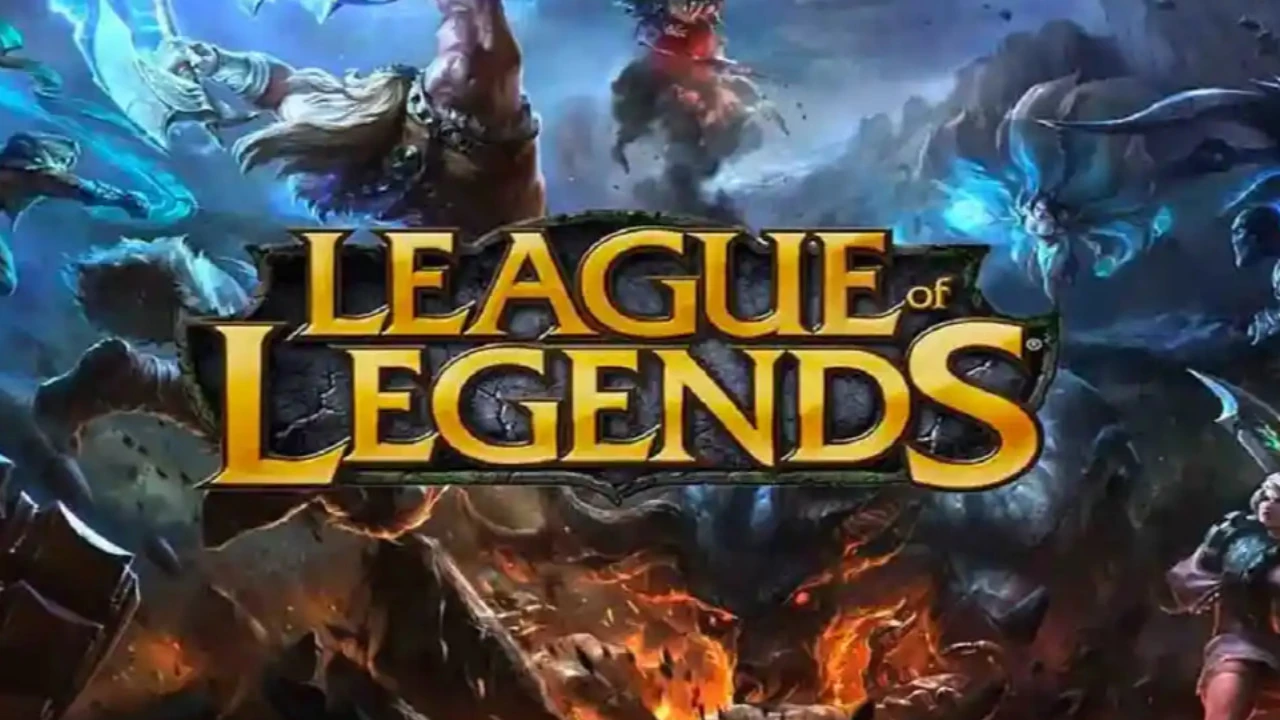
Matt Leung-Harrison, the lead game designer at Riot Games for League of Legends, has addressed the community’s concerns about frustrating gameplay elements, explaining why these controversial mechanics are essential for the game’s long-term health and competitive integrity. The statement comes amid ongoing debates within the player community about certain game features that many consider annoying or unfair, yet remain unchanged despite years of complaints.
League of Legends, which launched in 2009, has grown to become one of the most popular multiplayer online battle arena (MOBA) games in the world, boasting over 150 million active players monthly as of recent estimates. Maintaining such a massive player base while continuously evolving the game presents unique challenges for the development team at Riot Games. The delicate balance between player satisfaction and competitive gameplay has always been at the heart of the game’s design philosophy.
The Philosophy Behind Frustrating Mechanics
According to Leung-Harrison, certain mechanics that players find frustrating serve a crucial purpose in the game’s ecosystem. These elements, which might include crowd control abilities, invisibility mechanics, or certain champion abilities that feel overwhelming to play against, are intentionally designed to create moments of tension and strategic depth. The designer emphasized that removing every frustrating element would ultimately result in a bland, predictable experience that fails to challenge players or reward mastery.
The concept of “healthy frustration” in game design is well-documented in the industry. Game designers often distinguish between frustration that leads to learning and improvement versus frustration that feels arbitrary or unfair. Leung-Harrison’s comments suggest that Riot Games carefully evaluates which mechanics fall into each category, preserving those that contribute to meaningful gameplay decisions while addressing those that genuinely undermine player experience.
Balancing Competitive Integrity and Player Experience
League of Legends has maintained its position as a premier esports title, with the World Championship regularly drawing viewership numbers that rival traditional sports events. The 2023 World Championship attracted over 6 million peak concurrent viewers, demonstrating the game’s continued relevance in the competitive gaming landscape. This esports ecosystem adds another layer of complexity to game design decisions, as mechanics must work for both casual players and professional competitors.
Historically, Riot Games has faced criticism for various gameplay elements, from the introduction of new champions that initially feel overpowered to systemic changes that alter the fundamental pace of matches. However, the company has also earned praise for its willingness to make dramatic changes when necessary, including complete champion reworks and significant map overhauls. The latest comments from Leung-Harrison indicate that the team approaches each controversial element with careful consideration rather than reactive changes based solely on community outcry.
Community Response and Future Outlook
The community response to Leung-Harrison’s explanation has been mixed, with some players appreciating the transparency while others remain skeptical about specific mechanics they consider genuinely problematic. Social media discussions have highlighted the ongoing tension between different player demographics, from casual gamers who play for fun to ranked competitors focused on climbing the ladder. This diversity of player types makes universal satisfaction nearly impossible, a challenge that all live-service games must navigate.
Looking ahead, Riot Games continues to release regular patches and updates, with the development team constantly monitoring game data and player feedback. The company’s approach to game health involves both quantitative analysis of win rates and qualitative assessment of player sentiment. While some frustrating elements will undoubtedly remain, Leung-Harrison’s comments suggest that each one has been evaluated and deemed necessary for maintaining the strategic depth that has kept League of Legends relevant for over fifteen years in an increasingly competitive gaming market.
Expert Opinion: The tension between player comfort and competitive depth is a fundamental challenge in live-service game design. Riot’s approach of preserving strategically meaningful frustration while communicating openly about their reasoning represents a mature design philosophy. As the MOBA genre continues to evolve, games that successfully balance accessibility with mastery-rewarding mechanics will likely maintain the strongest long-term player engagement.