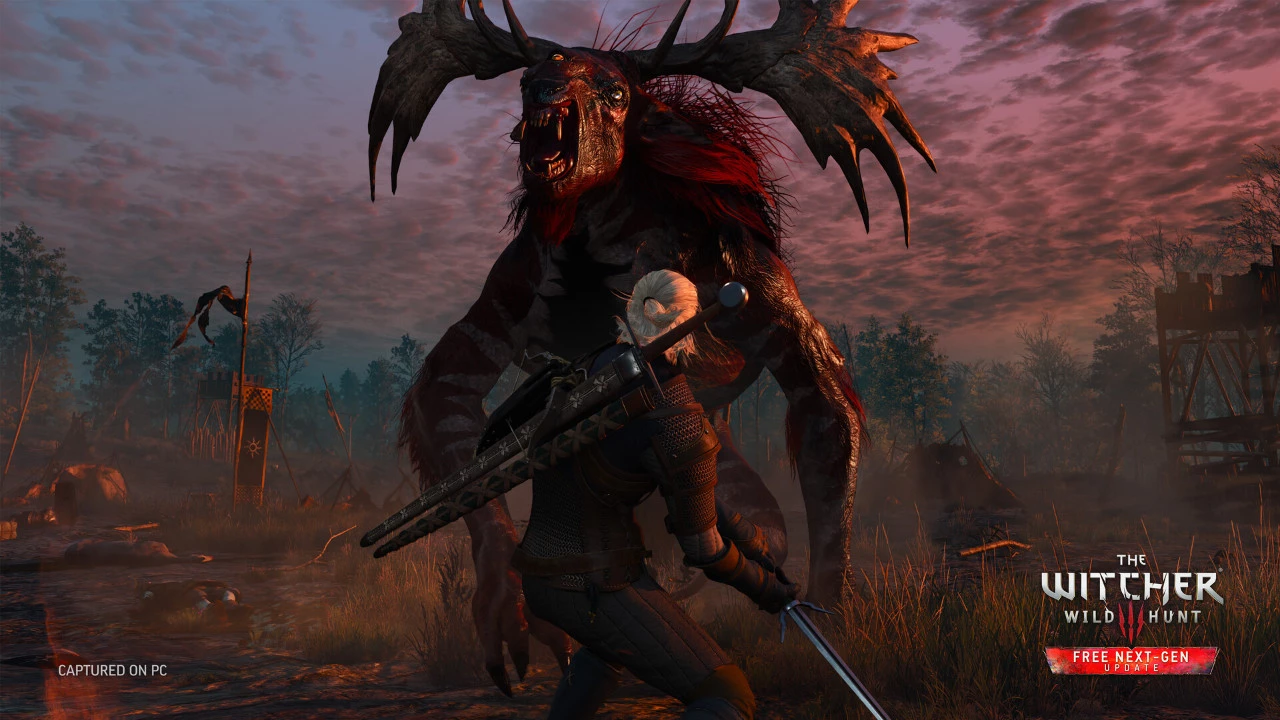
The development of the critically acclaimed role-playing game The Witcher 3: Wild Hunt nearly encountered a peculiar crisis during its early stages, stemming from an overly ambitious attempt to create hyper-realistic behavior patterns for the game’s non-player characters. CD Projekt Red, the Polish studio behind the beloved fantasy franchise, discovered that sometimes too much realism can actually break a game rather than enhance it. This fascinating behind-the-scenes story reveals the delicate balance developers must strike between immersion and playability in open-world games.
According to revelations from developers who worked on the project, the team initially implemented an elaborate scheduling system for NPCs that would have them follow realistic daily routines. Villagers would wake up at dawn, tend to their farms during the day, visit taverns in the evening, and sleep through the night. While this sounds like a dream feature for immersion enthusiasts, it created an unexpected nightmare for actual gameplay. Players arriving in villages at night would find them completely deserted, with every shop closed and every quest-giver tucked away in bed. The system was so realistic that it made the game borderline unplayable.
The Evolution of NPC Behavior in Open-World Gaming
The challenge CD Projekt Red faced was not unique to their project. Open-world game developers have grappled with NPC behavior systems since the genre’s inception. Games like The Elder Scrolls IV: Oblivion pioneered the concept of NPCs following daily schedules with its Radiant AI system back in 2006. Bethesda’s approach allowed characters to eat, sleep, and pursue hobbies on their own schedules. However, this system also famously led to hilarious bugs where NPCs would steal items or even kill each other over resources. The lesson from these early experiments was clear: realism must serve gameplay, not the other way around.
Grand Theft Auto V, released in 2013 just two years before The Witcher 3, handled this differently by having NPCs operate on simplified routines that prioritized player convenience over strict realism. Red Dead Redemption 2, which came later in 2018, would eventually find a more sophisticated middle ground, where NPC schedules existed but were flexible enough to accommodate player interaction. The Witcher 3’s development team had to learn similar lessons through trial and error, ultimately scaling back their ambitions to create a world that felt alive without being frustrating to navigate.
Finding the Balance Between Immersion and Accessibility
The solution CD Projekt Red eventually implemented was to significantly simplify NPC schedules while maintaining the illusion of a living world. Rather than having every shopkeeper follow a strict 24-hour routine, key NPCs would remain available during reasonable hours, and the game would provide visual and audio cues to suggest life continuing beyond the player’s immediate view. Background characters might disappear at night, but essential quest givers and merchants remained accessible. This compromise allowed players to experience the atmosphere of a breathing world without the gameplay consequences of strict realism.
This design philosophy extended to other aspects of The Witcher 3’s development. The game’s massive open world, which spans multiple distinct regions including war-torn Velen, the bustling city of Novigrad, and the haunting Skellige Isles, required careful consideration of what elements deserved simulation depth and which should be simplified. Environmental storytelling, weather systems, and wildlife behavior all underwent similar scrutiny. The development team, which numbered over 200 at its peak, spent more than three and a half years perfecting these systems before the game’s May 2015 release.
Legacy and Industry Impact
The Witcher 3: Wild Hunt went on to become one of the most celebrated games of its generation, winning over 250 Game of the Year awards and selling more than 50 million copies worldwide. Its approach to world-building and NPC interaction became a benchmark for the industry. The near-disaster with NPC scheduling serves as a valuable lesson for game developers: technical ambition must always be tempered by practical design considerations. As the gaming industry continues pushing toward greater realism with new hardware capabilities, this story remains a relevant cautionary tale about the difference between what developers can do and what they should do.
Expert Opinion: The Witcher 3’s NPC scheduling crisis illustrates a fundamental truth in game design: player agency and enjoyment must always take precedence over technical showmanship. As we move into an era of increasingly powerful AI and procedural generation, developers would be wise to remember that simulation depth should enhance player experience, not restrict it. The most successful open-world games will continue to be those that create the convincing illusion of realism while secretly bending the rules to keep players engaged.