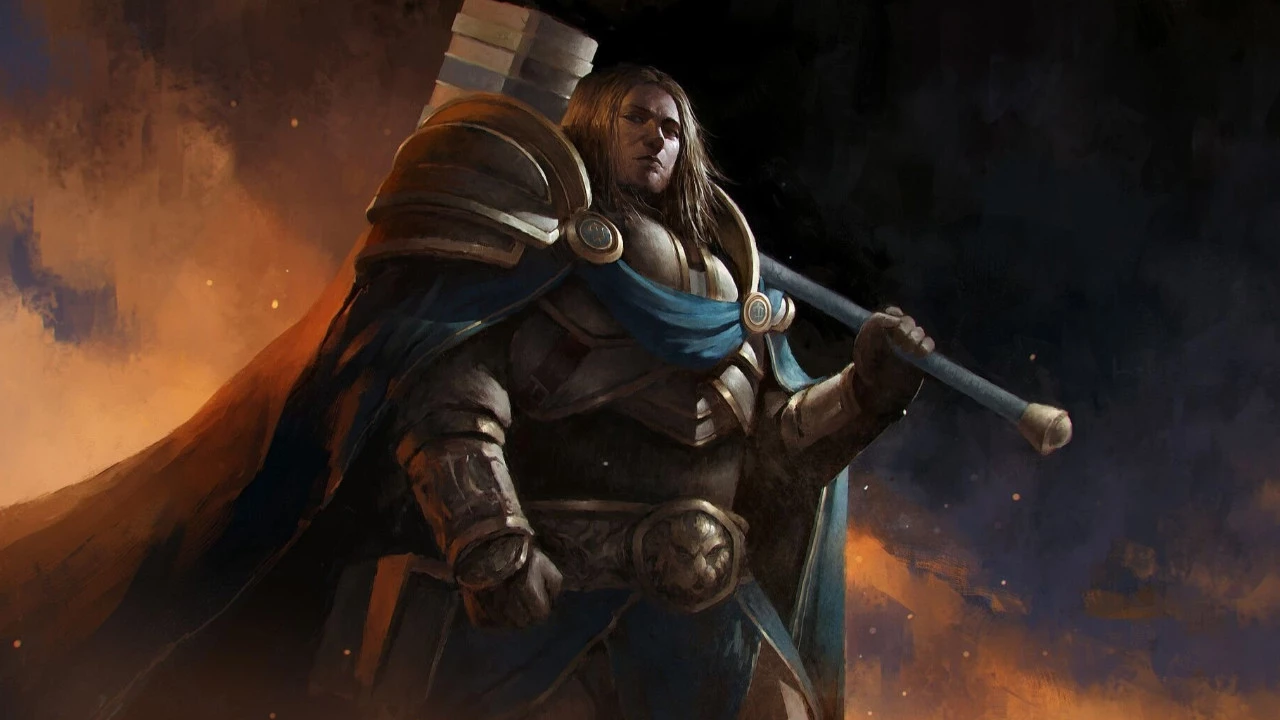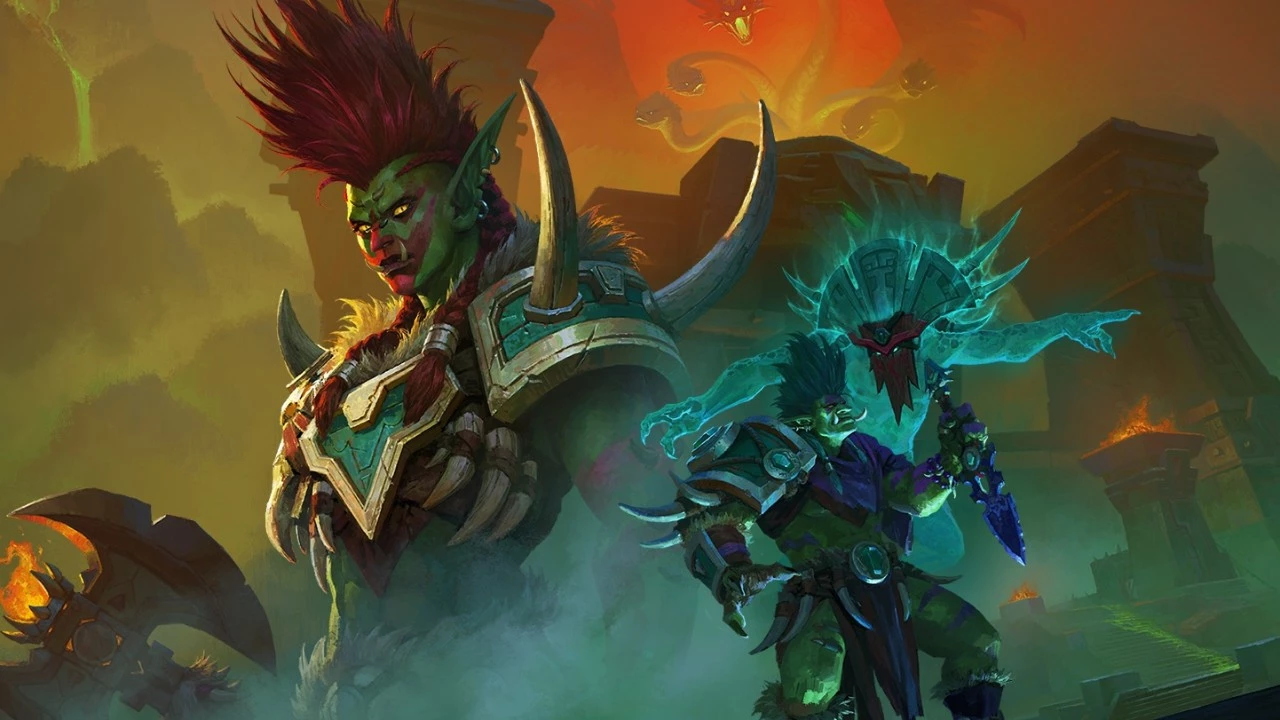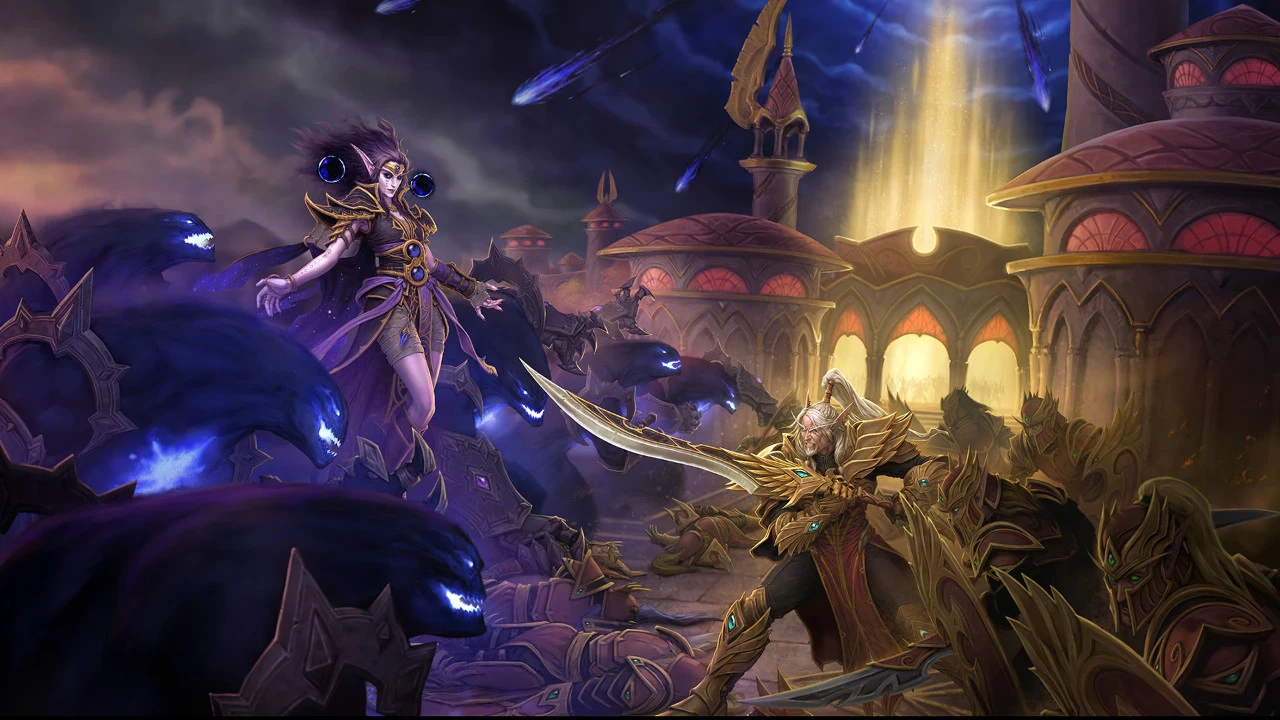
The development team behind the ambitious Unreal Azeroth client for World of Warcraft and the classic vanilla server Emberveil has announced a comprehensive organizational restructuring designed to protect the project from potential legal action by Blizzard Entertainment. This strategic move comes amid growing concerns in the private server community about intellectual property enforcement and represents one of the most significant attempts by a fan project to establish legal resilience against one of gaming’s most litigious publishers.
The Unreal Azeroth Project and Its Ambitious Goals
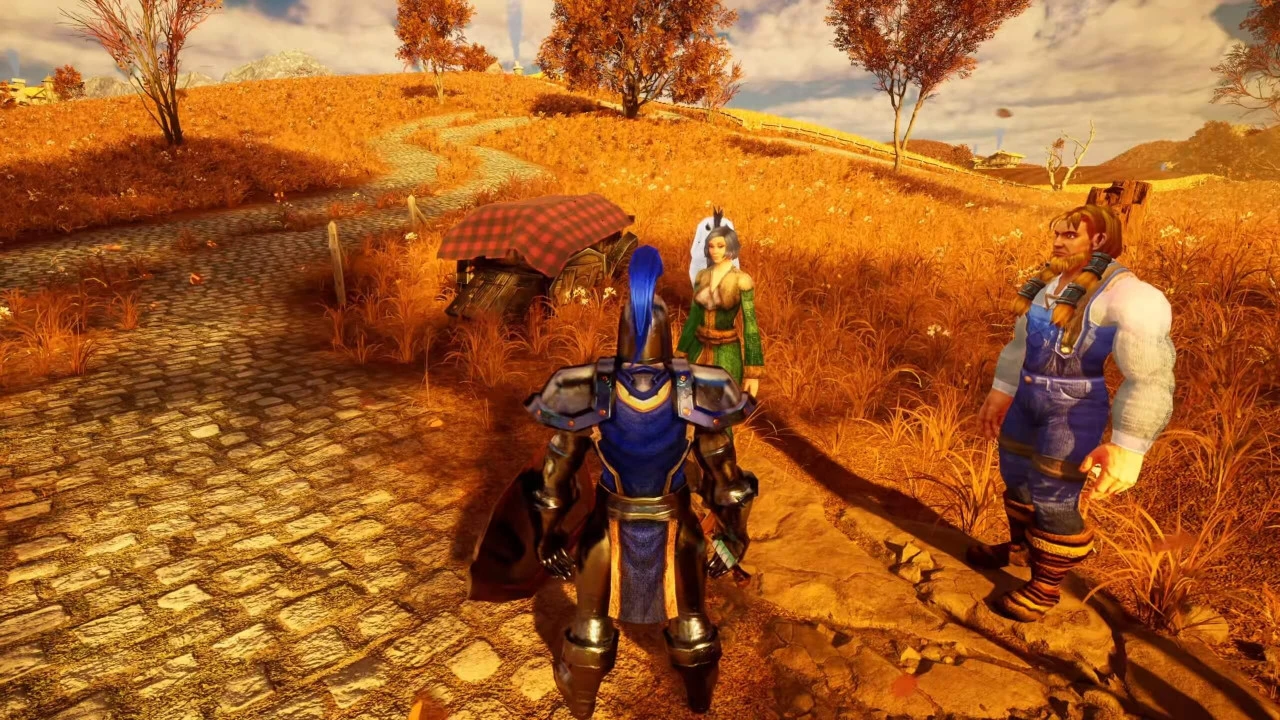
Unreal Azeroth has captured the attention of the World of Warcraft community by attempting to recreate the beloved MMORPG experience using Epic Games’ Unreal Engine 5. This technical undertaking aims to bring modern graphics capabilities and improved performance to the classic Azeroth experience that millions of players have enjoyed since the game’s original launch in 2004. The companion project, Emberveil, operates as a vanilla-era private server, offering players the opportunity to experience World of Warcraft as it existed before numerous expansions transformed the game’s landscape and mechanics. Together, these projects represent a significant investment of time and resources by dedicated fans seeking to preserve and enhance gaming history.
The restructuring reportedly involves decentralizing the project’s organizational framework, distributing responsibilities across multiple independent entities and jurisdictions. This approach mirrors strategies employed by other fan projects that have faced legal pressure from major gaming companies. By fragmenting the organizational structure, the team hopes to make it significantly more difficult for Blizzard to target the project with cease-and-desist orders or lawsuits that could shut down operations entirely. The specifics of the new structure have not been fully disclosed, likely for strategic reasons related to the project’s ongoing legal protection efforts.
Blizzard’s History of Aggressive IP Protection
Blizzard Entertainment has a well-documented history of aggressively protecting its World of Warcraft intellectual property through legal channels. The company successfully shut down numerous private servers over the years, including the highly popular Nostalrius server in 2016, which had attracted hundreds of thousands of active players seeking the classic WoW experience. That closure sparked significant community backlash and ultimately contributed to Blizzard’s decision to launch World of Warcraft Classic in 2019, an official recreation of the vanilla game experience. However, the existence of official classic servers has not diminished Blizzard’s enforcement activities against unauthorized projects.
The legal framework surrounding private servers and fan-made game clients exists in a complex gray area of intellectual property law. While Blizzard holds clear copyrights and trademarks related to World of Warcraft, projects that reverse-engineer server functionality or create new clients using original code face varying degrees of legal vulnerability depending on their specific implementation and jurisdiction. Some projects have attempted to operate from countries with less stringent intellectual property enforcement, while others have focused on creating content that transforms rather than directly copies Blizzard’s work. The Unreal Azeroth team appears to be taking a multi-pronged approach that combines organizational restructuring with careful attention to the technical and legal distinctions that might afford them some protection.
Community Response and Industry Implications
The World of Warcraft private server community has responded with cautious optimism to the restructuring announcement. Many players who participate in these alternative gaming experiences have watched beloved servers disappear overnight following legal action, and the prospect of a more resilient project structure offers hope for long-term stability. Industry observers note that this development reflects broader tensions between gaming companies and their most dedicated fans, who often seek to preserve or enhance experiences that official versions no longer provide. The gaming preservation movement has gained significant momentum in recent years, with advocates arguing that fan projects play a crucial role in maintaining access to gaming history.
Legal experts familiar with gaming intellectual property suggest that while organizational restructuring can complicate enforcement efforts, it does not provide absolute protection against determined rights holders with substantial legal resources. Blizzard’s parent company, Activision Blizzard (now part of Microsoft following the historic acquisition completed in 2023), has demonstrated willingness to pursue legal action across international boundaries. The effectiveness of the Unreal Azeroth team’s new structure will likely be tested over time as the project continues development and attracts greater attention from both the gaming community and Blizzard’s legal department.
Expert Opinion: The restructuring of Unreal Azeroth and Emberveil signals a new phase in the ongoing cat-and-mouse dynamic between fan projects and major game publishers. While decentralized organizational structures can provide temporary shields against legal action, the ultimate sustainability of such projects depends on whether courts and regulators begin recognizing legitimate preservation interests alongside corporate intellectual property rights. The coming months will be critical in determining whether this approach becomes a template for other fan preservation efforts or merely delays an inevitable confrontation with Blizzard’s legal team.