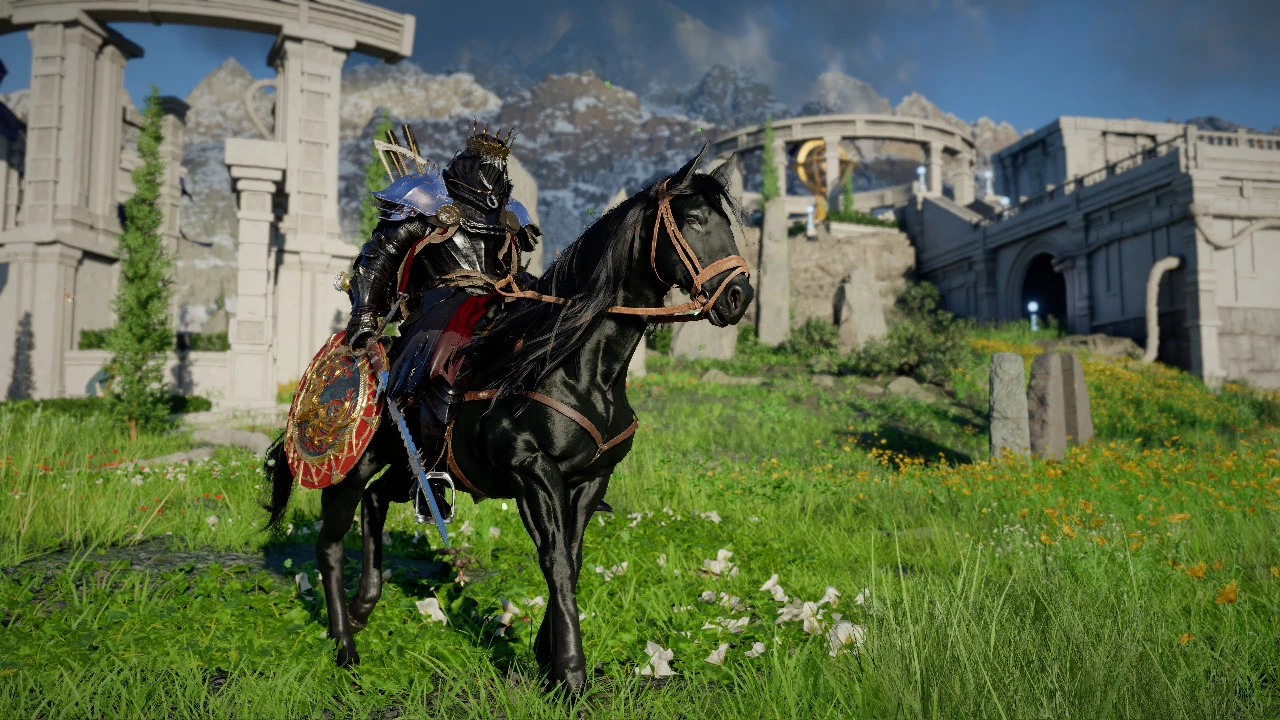
The development team at Pearl Abyss has released a new patch for their highly anticipated action RPG Crimson Desert, addressing a persistent bug that has frustrated players since the game’s early access release. The update specifically targets the algorithm responsible for auto-filling quick slots with consumable items, a seemingly minor feature that had been causing significant headaches for the gaming community. This fix represents the studio’s continued commitment to polishing their ambitious open-world title based on direct player feedback.
The bug in question affected how the game automatically populated players’ quick-access inventory slots with consumable items such as health potions, stamina boosters, and various combat aids. When players used these items during intense battles or exploration, the system would often fail to properly refill the slots with available replacements, forcing players to manually reorganize their inventory at the most inconvenient moments. For a game that prides itself on fluid combat and immersive gameplay, this interruption proved particularly jarring.
Community Outcry Drives Developer Response
The player community had been vocal about this issue for quite some time, with numerous posts appearing on official forums, Reddit communities, and social media platforms dedicated to Crimson Desert. Many players noted that while the bug was not game-breaking in the traditional sense, it significantly impacted the flow of combat encounters, especially during challenging boss fights where every second counts. The frustration was compounded by the fact that the issue seemed relatively straightforward to identify, yet persisted through multiple previous updates.
Pearl Abyss, known for their work on the massively popular MMORPG Black Desert Online, has built a reputation for eventually addressing community concerns, though sometimes at a pace that tests player patience. The studio’s experience with their flagship title has clearly informed their approach to Crimson Desert, as they continue to implement quality-of-life improvements that enhance the overall gaming experience. This particular fix demonstrates that even established developers must remain vigilant about seemingly small issues that can accumulate into major sources of player frustration.
The Importance of Quality-of-Life Features in Modern Gaming
In today’s competitive gaming landscape, quality-of-life features often determine whether players stick with a title or move on to alternatives. The quick slot system is a prime example of a feature that players rarely think about when it works correctly but becomes immediately noticeable when it malfunctions. Industry analysts have noted that modern gamers have increasingly high expectations for polish and convenience, shaped by years of iterative improvements across the gaming industry. Studios that neglect these details risk losing their audience to competitors who prioritize seamless user experience.
Crimson Desert has generated considerable buzz since its announcement, with many viewing it as Pearl Abyss’s most ambitious project to date. The game promises an expansive open world, engaging narrative elements, and the refined combat mechanics the studio has become known for. As the title continues through its development and early access phase, patches like this one serve as important indicators of the team’s responsiveness and dedication to delivering a polished final product. Players and industry observers alike will be watching closely to see how quickly other reported issues receive similar attention.
Expert Opinion: This patch reflects a broader industry trend where developers are increasingly prioritizing player feedback loops during early access phases. Pearl Abyss’s decision to address a long-standing quality-of-life issue, rather than focusing solely on new content, suggests a mature development philosophy that could bode well for Crimson Desert’s long-term success. Studios that demonstrate responsiveness to community concerns typically build stronger player loyalty and more sustainable game communities.