The developers behind the highly anticipated action-adventure game South of Midnight have officially announced their separation from tech giant Microsoft through a management buyout (MBO). Compulsion Games, the Canadian studio responsible for creating the atmospheric Southern Gothic title, has confirmed a complete severance of ties with the Xbox parent company, marking a significant shift in the gaming industry landscape where major publishers have been consolidating smaller studios for years.
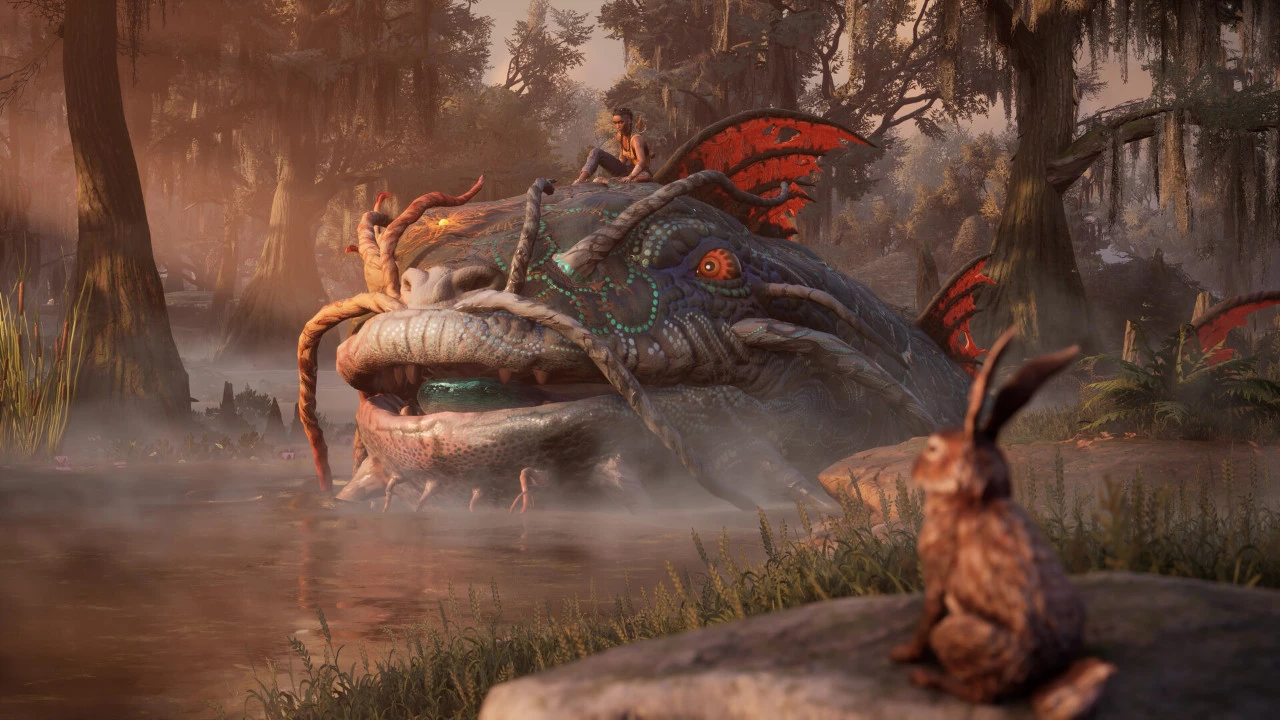
This move comes as a surprise to many industry observers, as Compulsion Games was acquired by Microsoft back in 2018 as part of the company’s aggressive expansion of its Xbox Game Studios portfolio. The acquisition was intended to bolster Microsoft’s first-party game development capabilities and provide exclusive content for the Xbox platform and Game Pass subscription service. South of Midnight, which was announced with considerable fanfare and showcased the studio’s unique artistic vision blending Southern American folklore with supernatural elements, was expected to be a flagship exclusive title for Microsoft’s gaming ecosystem.
The Road to Independence
Reports indicate that Compulsion Games leadership had been seeking financial backing for an independent path for some time before this announcement became official. The studio apparently approached various investors and funding sources to secure the capital necessary for a management buyout, demonstrating a clear desire to operate outside the constraints of a major corporate structure. This type of transition requires substantial financial resources, as buying back ownership from a company like Microsoft involves complex negotiations and significant capital investment.
Management buyouts in the gaming industry, while not unprecedented, remain relatively uncommon, especially when dealing with tech giants of Microsoft’s magnitude. The process typically involves the existing management team acquiring a controlling stake in the company, often with the help of private equity firms or other financial backers. For Compulsion Games, this represents both an opportunity for creative freedom and a considerable risk, as independent studios must navigate the challenging economics of modern game development without the financial safety net of a major publisher.
A History of Creative Ambition
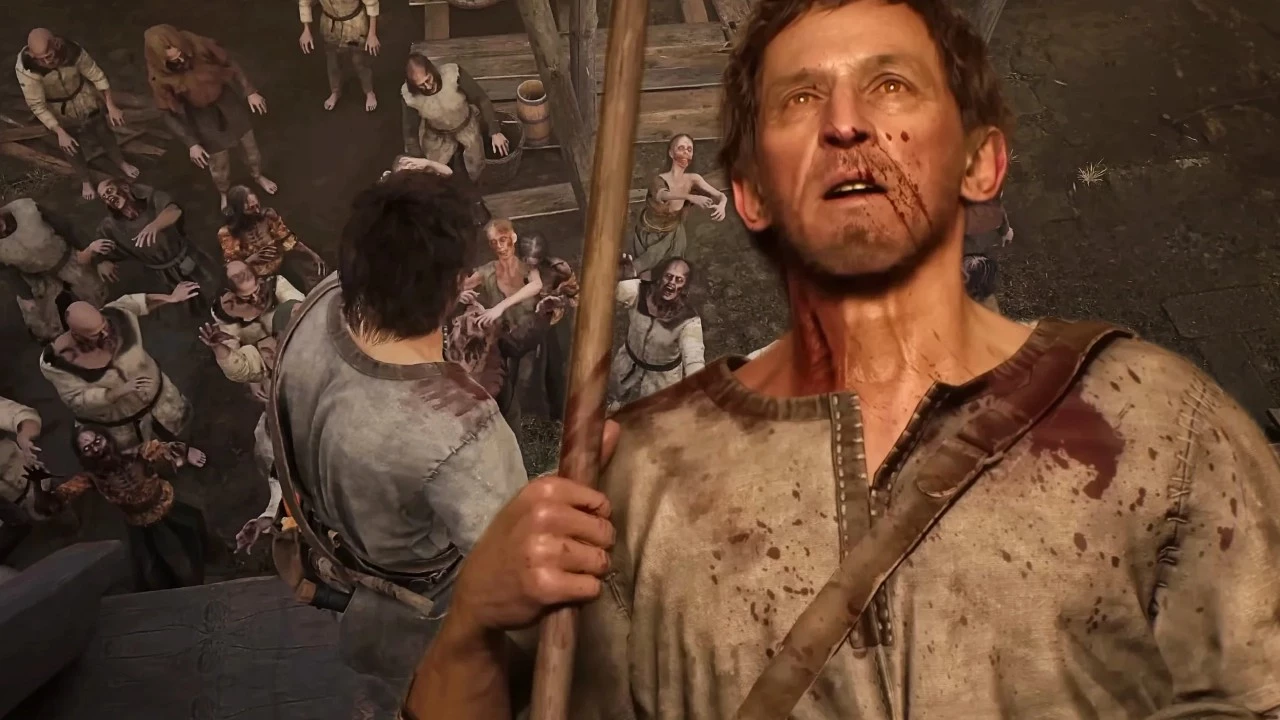
Compulsion Games has built a reputation for creating distinctive, atmospheric experiences since its founding in 2009 in Montreal, Quebec. The studio first gained widespread recognition with Contrast in 2013, a puzzle-platformer featuring innovative shadow manipulation mechanics. However, it was their 2018 release We Happy Few that truly put the studio on the map, despite mixed critical reception. The dystopian survival game, set in a retrofuturistic 1960s England where citizens are forced to take joy-inducing drugs, demonstrated the team’s commitment to unique world-building and narrative-driven gameplay.
The gaming industry has witnessed a notable trend of studios seeking independence from major publishers in recent years, often citing creative differences or a desire for greater control over their projects. This movement reflects broader tensions in the industry between the creative aspirations of developers and the commercial imperatives of large corporations. Studios like Bungie, which separated from Microsoft in 2007 before later partnering with Sony, have shown that independence can lead to both creative and commercial success, though the path is fraught with challenges.
What This Means for South of Midnight
The fate of South of Midnight following this corporate restructuring remains a topic of intense speculation among gaming enthusiasts. The game, which showcases stunning visual design inspired by stop-motion animation and explores themes drawn from African American folklore and Southern Gothic traditions, has generated significant anticipation since its reveal. Questions now arise about whether the title will remain an Xbox exclusive, transition to a multiplatform release, or potentially face development challenges as the studio navigates its newfound independence.
Industry analysts suggest that Microsoft’s recent shift in strategy, which has seen formerly exclusive titles released on competing platforms, may have contributed to the conditions that made this separation possible. The company has been reevaluating its approach to exclusivity, potentially making it more amenable to releasing studios that no longer align with its strategic vision. For players who have been eagerly awaiting South of Midnight, the transition period may introduce uncertainty, but could ultimately result in a product that more purely reflects the creative vision of its developers.
Expert Opinion: This separation signals a potential shift in how mid-sized studios view their relationships with platform holders. As development costs continue to rise while creative constraints tighten, we may see more studios pursuing independence despite the financial risks involved. Compulsion Games’ success or failure as an independent entity could serve as a bellwether for other developers considering similar paths away from corporate ownership.