User frustration with PlayStation’s gradual shift away from physical media has escalated into open protest during official gaming events. During a recent livestream for the highly anticipated action game Phantom Blade Zero, viewers organized a coordinated flashmob in the chat, flooding the comments section with calls to boycott digital-only games. This dramatic demonstration highlights the growing tension between gaming companies pushing digital distribution and consumers who remain deeply attached to physical game ownership.
The protest comes amid increasing concern among gamers about the future of physical media in the gaming industry. PlayStation has been steadily moving toward a digital-first strategy, exemplified by the release of the PlayStation 5 Digital Edition, which lacks a disc drive entirely. Recent reports suggest that Sony may be planning to further reduce its commitment to physical game production, a move that has alarmed collectors, preservationists, and gamers who value the ability to truly own their purchases rather than license them digitally.
The Battle Between Digital Convenience and Physical Ownership
The debate between digital and physical gaming has been intensifying for years, but recent corporate decisions have pushed many consumers to their breaking point. Physical game advocates argue that digital purchases come with significant drawbacks: games can be delisted from stores at any time, online services required to access purchased content can be shut down, and the inability to resell or lend games restricts consumer rights. The recent closure of several digital storefronts has reinforced these concerns, leaving some players unable to access games they legitimately purchased.
Industry analysts note that gaming companies have strong financial incentives to push digital distribution. Without physical production costs, shipping expenses, and retail margins to consider, digital sales offer significantly higher profit margins. However, this transition also raises important questions about game preservation and consumer rights. When a physical disc exists, the game can theoretically be played decades later; digital-only titles risk disappearing entirely when servers go offline or companies decide to discontinue support.
Phantom Blade Zero Caught in the Crossfire
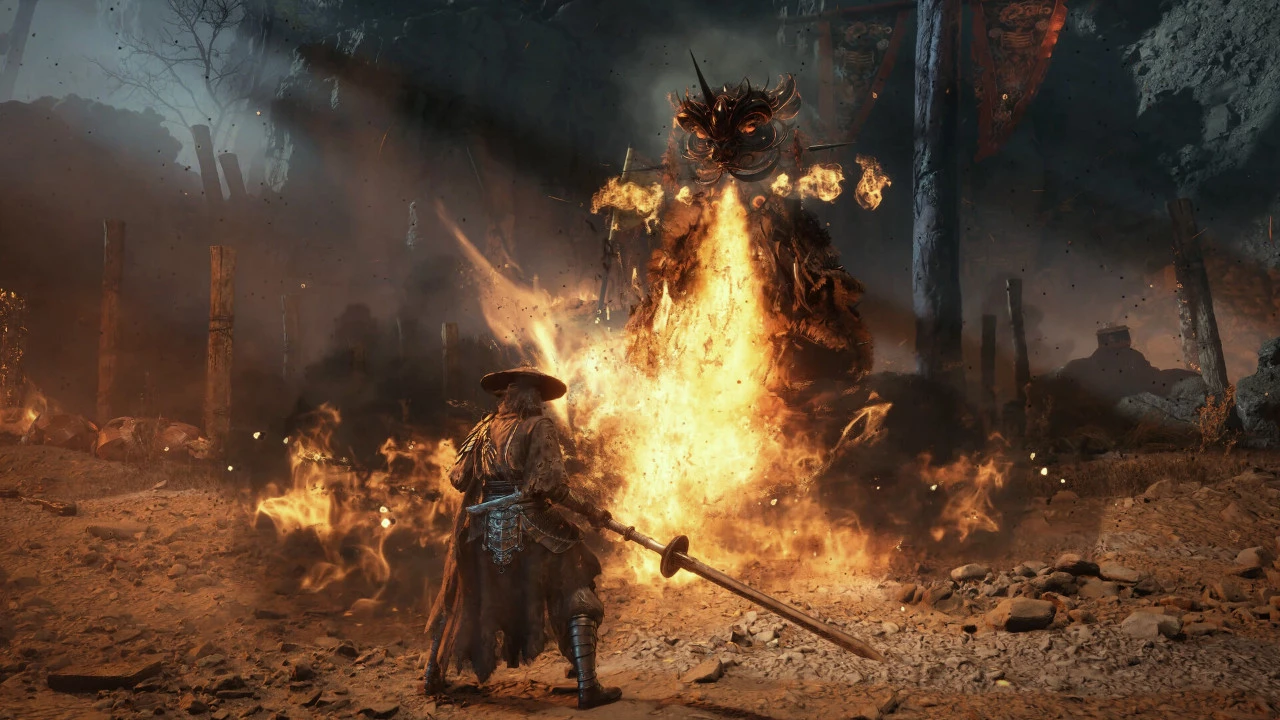
Phantom Blade Zero, developed by S-Game studio, has generated substantial excitement in the gaming community with its stunning visuals and fluid combat system inspired by Chinese martial arts. The game promises a dark wuxia experience with spectacular action sequences. However, the title has inadvertently become a battleground for this broader industry conflict. The developers themselves have not announced any digital-only plans, but the stream became a convenient platform for protesters to voice their concerns to a large audience of passionate gamers.
This incident reflects a broader pattern of gaming communities using official events and social media platforms to express discontent with industry trends. Similar protests have occurred during other major game reveals and corporate presentations. The gaming community has historically demonstrated its ability to influence company decisions through organized campaigns, as seen in previous controversies over always-online requirements and aggressive monetization practices.
What This Means for the Future of Gaming
The physical versus digital debate shows no signs of resolution in the near future. While younger gamers who grew up with digital distribution often prefer the convenience of downloadable games, a significant portion of the market remains committed to physical ownership. Some industry observers suggest that a hybrid approach, maintaining physical options while expanding digital offerings, may be necessary to satisfy diverse consumer preferences. The protests during events like the Phantom Blade Zero stream serve as a clear message to gaming companies that attempts to eliminate physical media entirely will face significant consumer resistance.
As the gaming industry continues to evolve, the balance between corporate profitability and consumer rights will remain a contentious issue. The passionate response from the gaming community demonstrates that players are willing to take collective action to protect what they see as fundamental aspects of game ownership. Whether these protests will influence company policies remains to be seen, but they have certainly ensured that the conversation about physical media’s future will continue.
Expert Opinion: The gaming industry is approaching a critical inflection point where consumer trust may ultimately determine the pace of digital transition. Companies that attempt to force rapid abandonment of physical media risk significant backlash and potential regulatory scrutiny, particularly in markets like the European Union where digital ownership rights are increasingly protected. The most successful publishers will likely be those who maintain physical options while making digital purchases more consumer-friendly through better preservation commitments and transferability features.