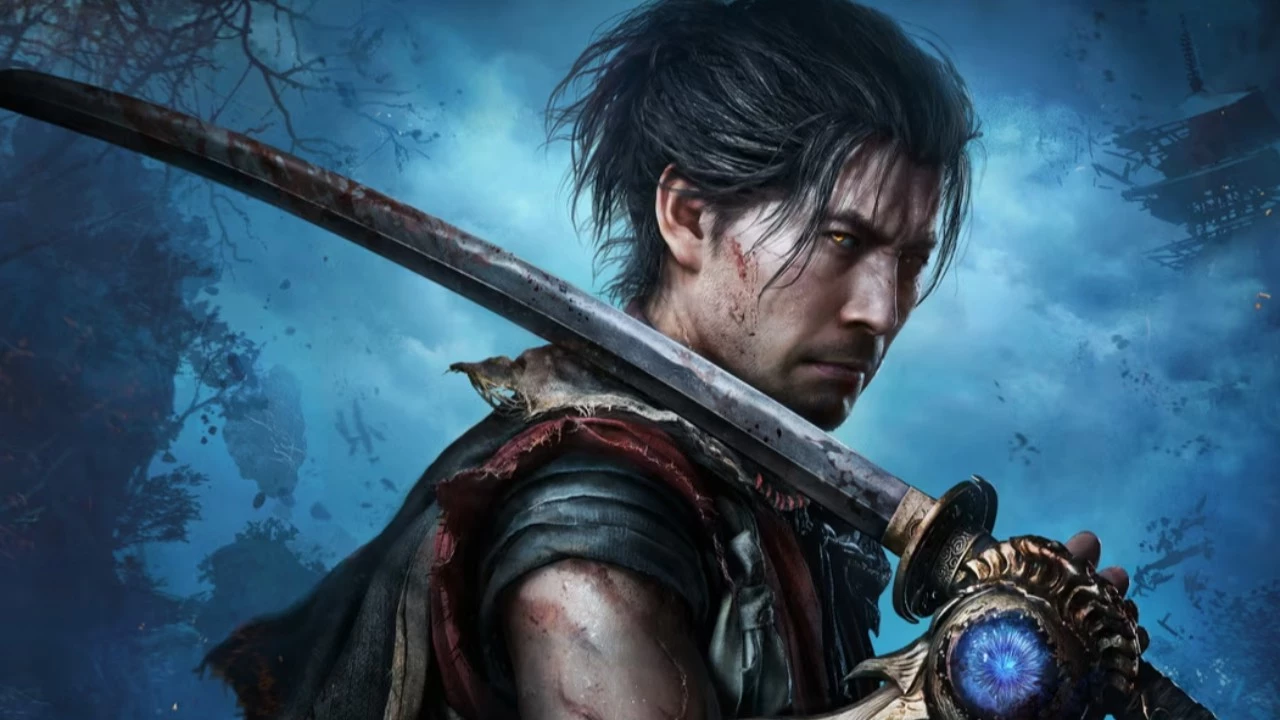
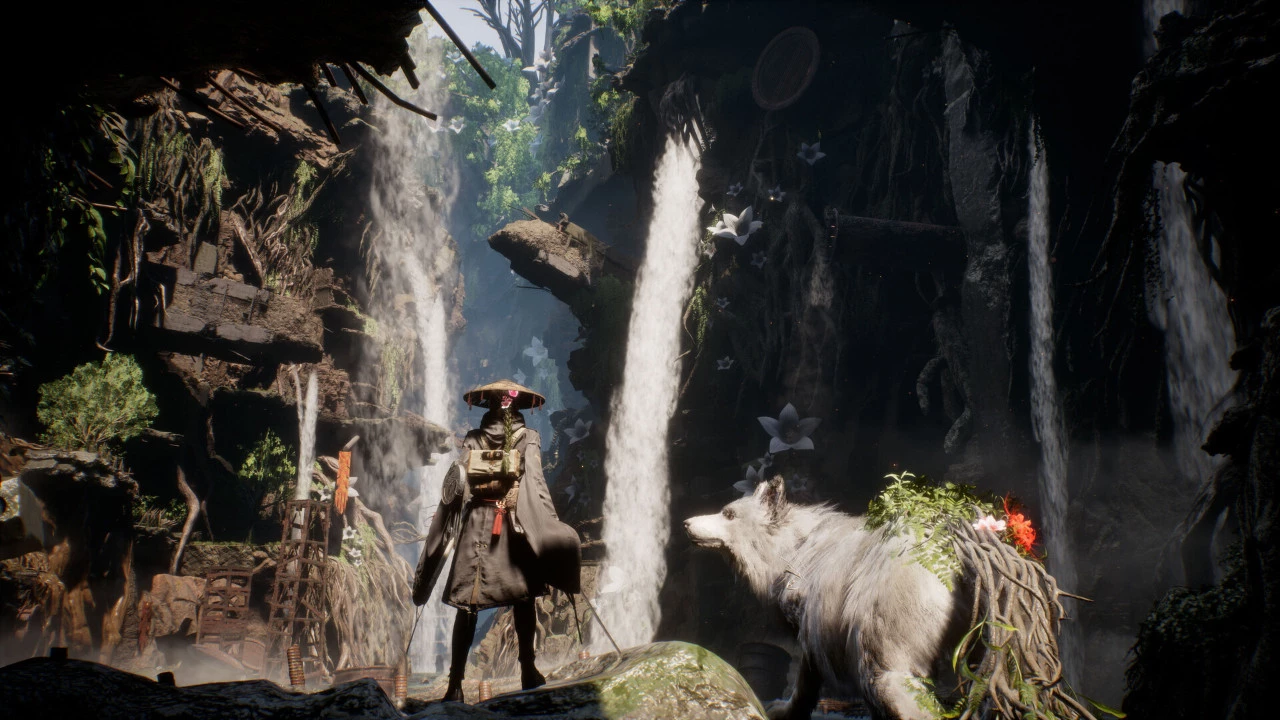
The development team at Game Freak has publicly acknowledged that serious performance problems continue to plague their latest action game, Beast of Reincarnation, even after the release of a recent technical patch intended to address these very issues. The studio’s director has issued another public apology to players, marking the second time leadership has had to address the game’s troubled launch. This ongoing situation has sparked renewed discussion about quality assurance practices in the gaming industry and the increasing pressure developers face to meet release deadlines.
A Troubled Launch and Persistent Technical Issues
Beast of Reincarnation launched amid significant anticipation from fans eager to experience Game Freak’s departure from their traditional franchise work. However, the release was immediately marred by widespread reports of frame rate drops, visual glitches, texture pop-in, and occasional crashes that significantly impacted gameplay. Players took to social media and gaming forums to document their experiences, with some reporting that the game became nearly unplayable during intense action sequences. The technical issues appeared across multiple platforms, suggesting fundamental optimization problems rather than platform-specific bugs.
The development team responded by releasing a technical patch within the first week of launch, promising to address the most critical performance concerns. However, community feedback following the update indicated that while some issues had been mitigated, many players continued to experience significant problems. Frame rate inconsistencies remained common, and some users reported that the patch had introduced new bugs while failing to adequately resolve existing ones. This pattern of incomplete fixes has become unfortunately familiar in the modern gaming landscape, where day-one patches and post-launch support have become expected rather than exceptional.
The Director Steps Forward Again
In response to continued player frustration, the studio director issued a second public statement acknowledging that the initial patch had not met expectations. The apology was notably more detailed than the first, with the director taking personal responsibility for the game’s condition at launch and the insufficient first patch. This level of public accountability from studio leadership remains relatively rare in the industry, where corporate communications often rely on carefully worded statements that avoid direct acknowledgment of failures. The director promised that the team is working diligently on comprehensive fixes and outlined a more transparent roadmap for future updates.
Game Freak has a complicated history when it comes to technical performance. The studio, best known for its work on one of the world’s most successful gaming franchises, has faced criticism in recent years for games that sometimes fail to fully leverage modern hardware capabilities. Industry analysts have suggested that the studio’s relatively small team size compared to its output demands may contribute to these recurring issues. The company has historically prioritized meeting release schedules, sometimes at the expense of technical polish, a practice that has drawn both criticism and understanding from the gaming community.
Industry Context and Player Expectations
The situation with Beast of Reincarnation reflects broader tensions in the gaming industry between commercial pressures and quality assurance. Modern games are increasingly complex, with expansive worlds, detailed graphics, and intricate systems that require extensive testing and optimization. Yet development timelines often remain fixed to meet marketing campaigns, retail agreements, and fiscal year targets. This has led to a growing trend of games launching in compromised states, with developers relying on post-release patches to bring products up to acceptable standards. Consumer advocacy groups have begun questioning whether this practice constitutes selling incomplete products, while some regions have explored strengthening refund policies for digital game purchases.
For Game Freak specifically, the failure to quickly resolve Beast of Reincarnation’s issues could have lasting implications for the studio’s reputation as it attempts to establish itself in new gaming genres. The company’s willingness to issue multiple public apologies suggests an awareness of how crucial community trust is in today’s interconnected gaming ecosystem, where negative word-of-mouth can spread rapidly and impact sales significantly. Players and industry observers will be watching closely to see whether the promised fixes materialize and whether they finally bring the game up to the performance standards that modern audiences expect from premium-priced releases.
Expert Opinion: This situation exemplifies a concerning pattern in game development where commercial deadlines consistently override quality assurance needs. Game Freak’s repeated public apologies, while commendable for their transparency, suggest systemic issues in their development pipeline that patches alone cannot resolve. Moving forward, the studio may need to fundamentally reassess its project management approach or risk further erosion of consumer confidence in future releases outside their flagship franchise.