Blizzard Entertainment finds itself in an ongoing battle to convince its passionate player base that restricting third-party combat modifications in World of Warcraft represents the right path forward. As the highly anticipated Midnight expansion approaches, the development team continues implementing sweeping changes that fundamentally alter how players interact with the game’s combat systems, sparking heated debate across the gaming community.
The restrictions represent one of the most significant shifts in World of Warcraft’s approach to addon functionality in the game’s two-decade history. For years, combat addons like Deadly Boss Mods, WeakAuras, and BigWigs have been considered essential tools for serious raiders and dungeon runners, providing crucial visual and audio cues that help players navigate complex encounter mechanics. Blizzard’s decision to limit these tools has divided the community between those who welcome a return to more organic gameplay and veterans who view the changes as an unnecessary handicap.
The Evolution of Combat Addons in WoW History
World of Warcraft launched in 2004 with a relatively open API that allowed third-party developers to create modifications enhancing nearly every aspect of gameplay. Over the years, combat addons evolved from simple threat meters and damage trackers into sophisticated systems that could essentially automate player responses to boss mechanics. Some encounters became virtually impossible to complete without these tools, as developers designed fights assuming players would have access to addon assistance. This created an uncomfortable dependency that Blizzard has apparently decided to address head-on.
The relationship between addon developers and Blizzard has always been complex. While the company officially supports the addon ecosystem through its CurseForge partnership and API documentation, there have been periodic crackdowns when certain modifications crossed invisible lines. Previous restrictions targeted automation tools, gold-making helpers, and addons that provided unfair PvP advantages. However, the current push against combat addons marks the first time Blizzard has so aggressively targeted tools that many players considered fundamental to the raiding experience.
Community Reaction and Developer Response
Player response to the restrictions has been predictably polarized. Hardcore raiders and Mythic dungeon runners have expressed frustration, arguing that the changes artificially increase difficulty without adding meaningful gameplay depth. Many point out that top guilds will simply adapt by developing more sophisticated communication strategies, while casual players who relied on addon assistance will suffer most. On forums and social media, some veterans have threatened to quit the game entirely if the restrictions remain in place through Midnight’s launch.
Blizzard developers have responded through multiple channels, including official forum posts, interviews, and live streams. Their core argument centers on game design philosophy: encounters should be learnable through visual and audio cues built into the game itself, not through third-party overlays that essentially play the game for you. The development team has committed to redesigning boss encounters with clearer telegraphing and more intuitive mechanics, theoretically reducing the need for addon assistance. They’ve also emphasized that this approach allows them to create more creative encounters without worrying about addon developers trivializing the content within hours of release.
What This Means for the Midnight Expansion
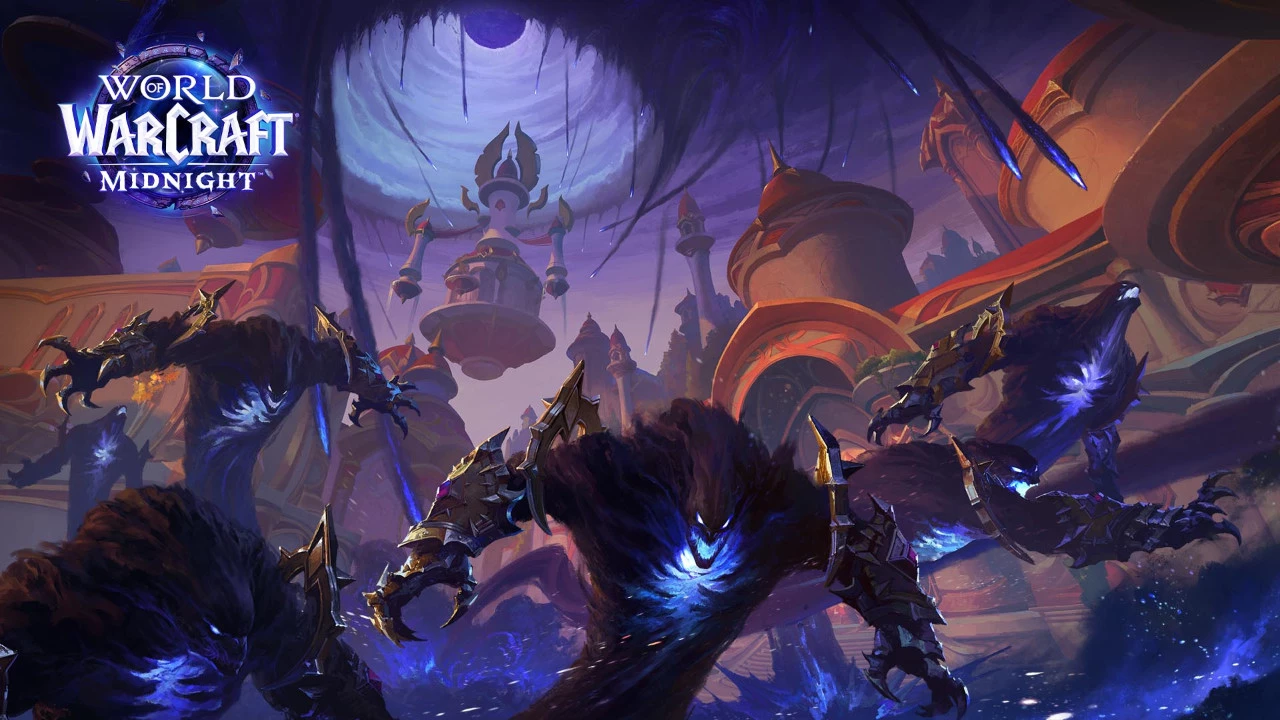
The Midnight expansion represents a crucial test for Blizzard’s new philosophy. Early previews suggest that raid encounters have been designed from the ground up with the addon restrictions in mind, featuring more pronounced visual effects, extended reaction windows, and mechanics that reward spatial awareness over addon-tracking precision. If successful, this approach could reshape how MMORPGs handle the balance between accessibility and challenge. However, if players find the experience frustrating or the learning curve too steep, Blizzard may face significant backlash that could impact expansion sales and subscriber retention.
Industry analysts note that Blizzard’s gamble comes at a particularly competitive time for the MMO genre, with Final Fantasy XIV continuing to attract former WoW players and new titles entering the market. The company’s willingness to implement controversial changes demonstrates confidence in their design vision, but also carries substantial risk. As the Midnight release date approaches, all eyes will be on Blizzard to see whether their conviction translates into compelling gameplay that justifies the disruption to established player habits.
Expert Opinion: Blizzard’s addon restrictions represent a calculated bet that modernizing encounter design can replace decades of player-developed tools. While the short-term community friction is inevitable, success could establish a new industry standard for how MMORPGs balance accessibility with authentic challenge. The key metric to watch will be player retention three months post-Midnight launch, which will reveal whether casual players adapt or abandon the game entirely.