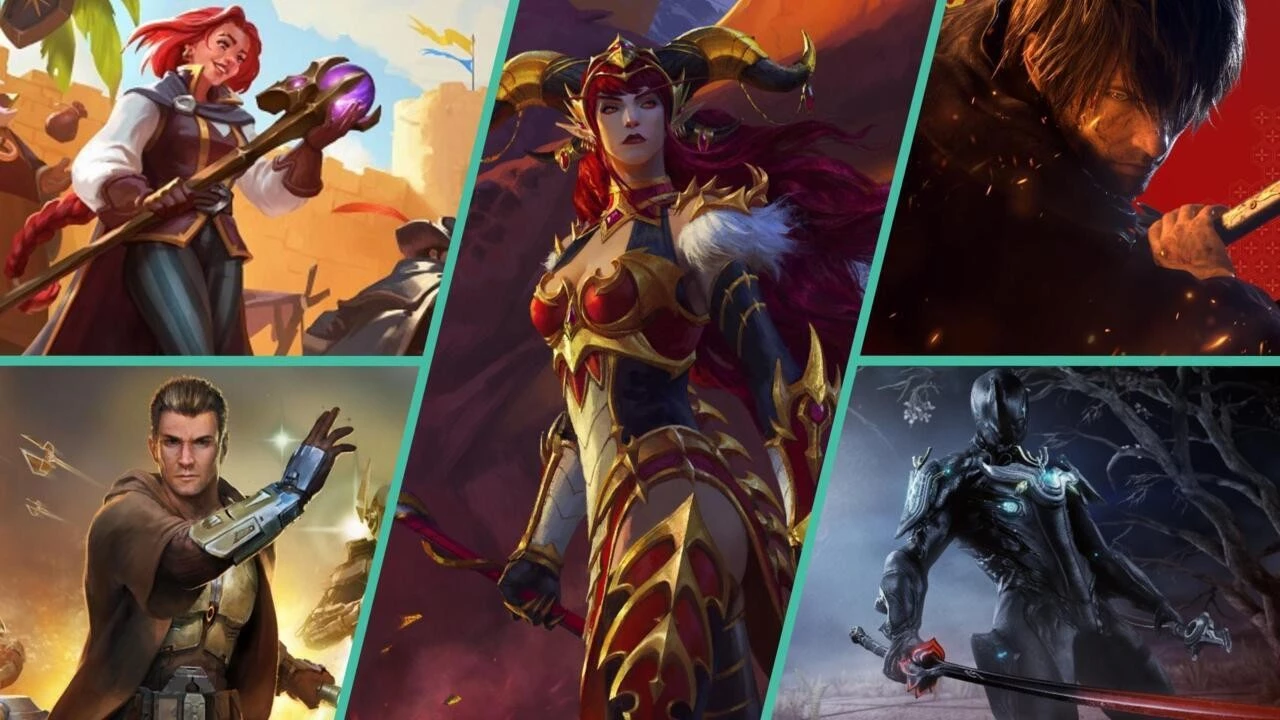
Just a few years ago, it seemed that the MMORPG genre was on the verge of a new golden age. Players eagerly awaited major announcements, developers promised vast living worlds, and every new online game had the potential to become the next big phenomenon. However, in 2026, the landscape looks remarkably different. The genre that once dominated the gaming industry and captured millions of hearts now finds itself at a crossroads, struggling to recapture the magic that made titles like World of Warcraft, Final Fantasy XIV, and Guild Wars 2 household names among gamers worldwide.
The history of MMORPGs stretches back to the late 1990s, when games like Ultima Online and EverQuest pioneered the concept of persistent online worlds where thousands of players could interact simultaneously. These early titles established the foundational elements that would define the genre for decades: character progression, guild systems, massive raid content, and player-driven economies. World of Warcraft’s launch in 2004 marked the genre’s commercial peak, eventually attracting over 12 million subscribers and generating billions in revenue. This success spawned countless imitators, each hoping to capture even a fraction of Blizzard’s lightning in a bottle.
The Current State of the MMORPG Market
Today’s MMORPG market presents a paradox: while player interest in the genre remains strong, the number of successful new releases has dwindled significantly. Major studios have become increasingly risk-averse, preferring to maintain existing titles rather than invest in ambitious new projects. The astronomical development costs associated with creating a modern MMORPG—often exceeding $100 million—have made publishers hesitant to greenlight new entries. Several high-profile failures, including expensive titles that shuttered within months of launch, have reinforced this cautious approach.
The rise of alternative gaming experiences has also fragmented the traditional MMORPG audience. Live-service games, battle royales, and cooperative shooters now compete for the same players who once dedicated thousands of hours to single MMORPGs. Younger generations of gamers, raised on quick-session mobile games and streaming content, often lack the patience for the slow progression systems and time-intensive gameplay loops that characterized classic MMORPGs. This shift in player expectations has forced developers to reconsider fundamental aspects of game design.
Finding Joy in Modern Online Gaming
Despite these challenges, devoted fans of the genre can still find meaningful experiences in online gaming, though it may require adjusting expectations and approaches. Industry analysts suggest that players should focus on quality over quantity, choosing one or two games to invest in rather than constantly chasing the next big release. Established titles like Final Fantasy XIV continue to deliver substantial content updates and maintain vibrant communities, proving that longevity remains possible for well-managed games. The key lies in setting realistic expectations and understanding that the era of revolutionary MMORPG launches may have passed, at least for now.
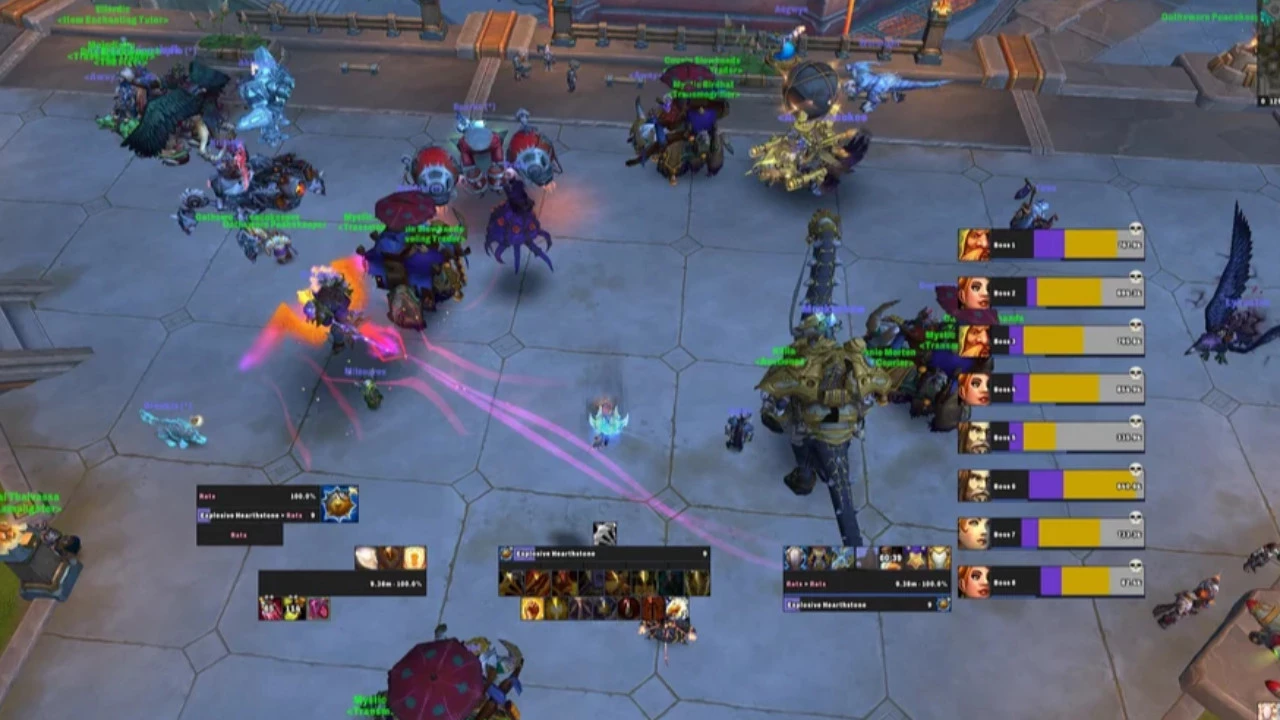
Community involvement has become perhaps the most crucial factor in enjoying MMORPGs in 2026. Games that foster strong social connections and provide meaningful group activities tend to retain players far longer than those focused solely on individual progression. Joining active guilds, participating in community events, and building genuine relationships with fellow players can transform an otherwise mediocre gaming experience into something memorable. Many veteran players report that their fondest MMORPG memories involve not game mechanics or impressive graphics, but the friendships forged through shared adventures and challenges.
Looking Toward the Future
The future of MMORPGs may lie in innovation rather than imitation. Emerging technologies like cloud gaming, artificial intelligence-driven content generation, and improved virtual reality could potentially revolutionize the genre. Several smaller studios are experimenting with hybrid approaches, combining MMORPG elements with other genres to create fresh experiences. While the days of single-game dominance may be over, the core appeal of shared online worlds—exploration, cooperation, and community—remains as compelling as ever for those willing to embrace the genre’s evolution rather than mourn its past glories.
Expert Opinion: The MMORPG genre is undergoing a fundamental transformation rather than experiencing decline. Industry experts predict that the next breakthrough will likely come from indie developers or Asian markets, where innovation continues at a faster pace. Players who adapt their expectations to value community engagement and meaningful social experiences over constant new content will find lasting satisfaction in online worlds for years to come.