
In a dramatic turn of events that has sent shockwaves through the gaming community, Blizzard Entertainment has terminated a World of Warcraft employee following a scandal involving the abuse of Game Master privileges. The incident, which saw a developer use their administrative powers to instantly kill two dungeon bosses to help acquaintances, has reignited discussions about ethics, accountability, and fair play in the gaming industry. The termination serves as a stark reminder that even those who help create and maintain virtual worlds are not above the rules that govern them.
The Incident That Sparked Outrage
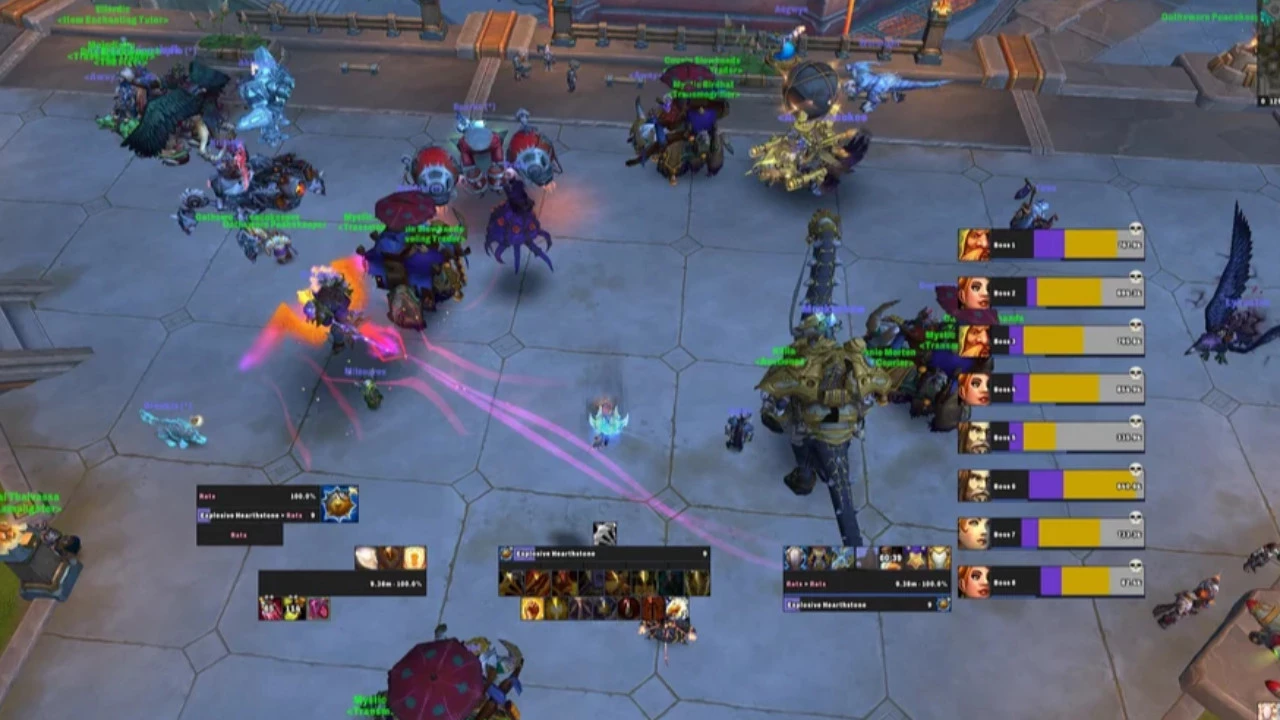
The controversy erupted when evidence surfaced showing a Blizzard employee using their Game Master tools to provide unfair advantages to players they personally knew. Game Masters in World of Warcraft possess powerful administrative capabilities designed to help players resolve technical issues, combat cheaters, and maintain the integrity of the game environment. However, in this case, those same powers were allegedly misused to bypass game mechanics entirely, instantly defeating dungeon bosses that would normally require coordinated team effort and skill to overcome. The gaming community quickly caught wind of the incident, and social media platforms were flooded with criticism, with many players expressing frustration that someone entrusted with maintaining fair play would so blatantly violate those principles.
What made the situation particularly frustrating for many players was the perceived triviality of the offense. Community members pointed out that the beneficiaries of this abuse appeared to be ordinary streamers without exceptional skill or following, leading to widespread mockery and the sentiment captured in reactions like “And all this for the most typical streamer possible?” The incident highlighted the lengths to which some individuals will go to gain even minor advantages in competitive gaming environments, and the potential for corruption when power goes unchecked.
Blizzard’s Response and Industry Standards
Blizzard Entertainment acted swiftly once the allegations were verified, terminating the employee responsible for the misconduct. This decisive action reflects the company’s awareness that maintaining player trust is paramount in the competitive gaming landscape. World of Warcraft, which has been running for nearly two decades since its 2004 launch, has built its reputation on providing a fair and immersive experience for millions of players worldwide. The game continues to generate substantial revenue and maintains an active player base that expects equal treatment regardless of personal connections.
This incident is not the first time Blizzard has faced scrutiny over internal conduct. The company has weathered numerous controversies over the years, including a major workplace harassment scandal in 2021 that resulted in significant leadership changes and cultural reforms. The swift handling of this Game Master situation may reflect lessons learned from past public relations challenges and a renewed commitment to accountability at all levels of the organization. Industry analysts note that gaming companies increasingly recognize that employee misconduct, even in seemingly minor cases, can have outsized impacts on brand reputation in the age of social media.
The Broader Implications for Online Gaming
The scandal raises important questions about oversight and accountability in online gaming environments. Game Masters and developers occupy positions of significant trust, with access to tools that can dramatically impact player experiences. While most employees in these roles take their responsibilities seriously, the potential for abuse exists whenever individuals have unchecked power over others’ gaming experiences. Many games have implemented logging systems and audit trails to detect such misuse, and this incident may prompt Blizzard and other companies to strengthen these monitoring mechanisms.
For the broader gaming community, this episode serves as both a cautionary tale and a reassurance. While it demonstrates that corruption can occur even within major gaming companies, it also shows that accountability is possible when misconduct is exposed. Players and community members play a crucial role in maintaining gaming integrity by reporting suspicious activity and holding companies accountable for their employees’ actions. As online gaming continues to grow as both entertainment and competitive sport, maintaining trust between developers and players remains essential for the industry’s long-term health.
Expert Opinion: This incident underscores a growing challenge for gaming companies: balancing employee access with robust oversight mechanisms. As games become more complex and valuable economies develop within virtual worlds, we can expect stricter internal controls and more transparent accountability processes. Companies that fail to address misconduct swiftly risk losing the player trust that takes years to build but moments to destroy.