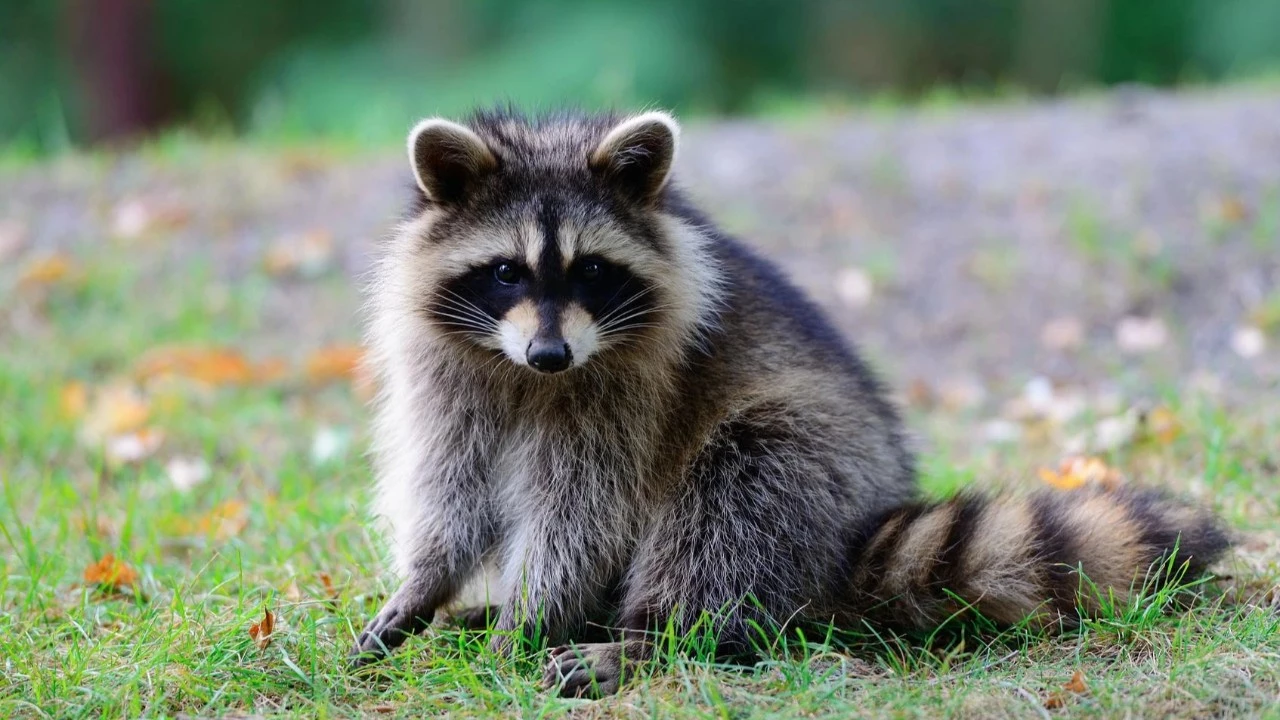
What began as a harmless illustration featuring an endearing raccoon named Jimothy has unexpectedly captured the hearts of the entire World of Warcraft community. The charming character resonated so deeply with players that Blizzard Entertainment developers decided to go beyond the simple artwork and officially confirmed that this fluffy fan favorite will indeed become a permanent part of the legendary MMORPG. This heartwarming story demonstrates the powerful connection between game developers and their dedicated player base, showcasing how community enthusiasm can directly influence game content in unexpected and delightful ways.
From Simple Sketch to Community Sensation
The phenomenon began when a Blizzard artist shared what was intended to be a lighthearted, informal illustration of a raccoon character dubbed Jimothy. The artwork quickly spread across social media platforms, Reddit forums, and official World of Warcraft community channels, generating an overwhelming wave of positive responses. Players immediately fell in love with the character’s expressive eyes, playful demeanor, and charming design, with many expressing their hopes that Jimothy could somehow be incorporated into the actual game. The grassroots campaign for Jimothy’s inclusion gained remarkable momentum, with fan art, memes, and petition-like threads appearing throughout the community within days of the original posting.
This type of organic community movement is not entirely unprecedented in gaming history, but the speed and enthusiasm with which players rallied behind Jimothy caught even Blizzard developers off guard. Community managers reported that mentions of the raccoon dominated forum discussions and social media interactions for weeks, demonstrating the character’s unexpected staying power. The phenomenon highlights how modern gaming communities can rapidly mobilize around content that resonates emotionally, creating opportunities for developers to engage with their audience in meaningful ways.
Blizzard’s History of Community-Driven Content
Blizzard Entertainment has a long-standing tradition of incorporating community feedback and fan-created concepts into their games. World of Warcraft, which celebrated its twentieth anniversary in 2024, has evolved significantly based on player input throughout its two-decade history. From class balance adjustments to entirely new features, the development team has consistently demonstrated a willingness to listen to their dedicated player base. The decision to officially add Jimothy to the game represents another chapter in this collaborative relationship, showing that even seemingly trivial community enthusiasms can result in tangible game content.
Throughout World of Warcraft’s history, various pets, mounts, and non-player characters have been added as tributes to community members, memorable events, or popular jokes that gained traction among players. The game currently features thousands of collectible companions and battle pets, ranging from fierce dragons to adorable critters, making Jimothy a natural fit for the existing roster. Industry analysts note that such community-driven additions help maintain player engagement and create positive publicity, serving as a reminder that behind the massive corporate structure, real people who care about their audience are making decisions.
The Cultural Impact of Gaming Communities
The Jimothy phenomenon also reflects broader trends in how gaming communities interact with developers in the modern era. Social media platforms have dramatically shortened the feedback loop between players and creators, allowing for real-time conversations that would have been impossible in earlier decades of gaming. This direct line of communication has transformed player expectations, with many now anticipating that their voices will be heard and, ideally, acted upon. When developers respond positively to community enthusiasm, as Blizzard has done with Jimothy, it reinforces player investment in the game and strengthens brand loyalty.
Gaming industry experts observe that such interactions represent a evolution in the relationship between entertainment companies and their audiences. Rather than viewing games as finished products delivered to passive consumers, both developers and players increasingly see games as living, collaborative experiences that grow and change based on community input. World of Warcraft’s continued success, despite being over two decades old, can be partially attributed to this adaptive approach that keeps the game feeling fresh and responsive to player desires.
Expert Opinion: The Jimothy phenomenon exemplifies a growing trend in live-service gaming where community sentiment can directly shape development priorities. This kind of authentic developer-player interaction builds lasting goodwill that translates into sustained engagement and positive word-of-mouth marketing. We can expect more studios to embrace similar responsive approaches as the gaming industry continues to recognize that the most successful titles are those that make players feel genuinely heard and valued.