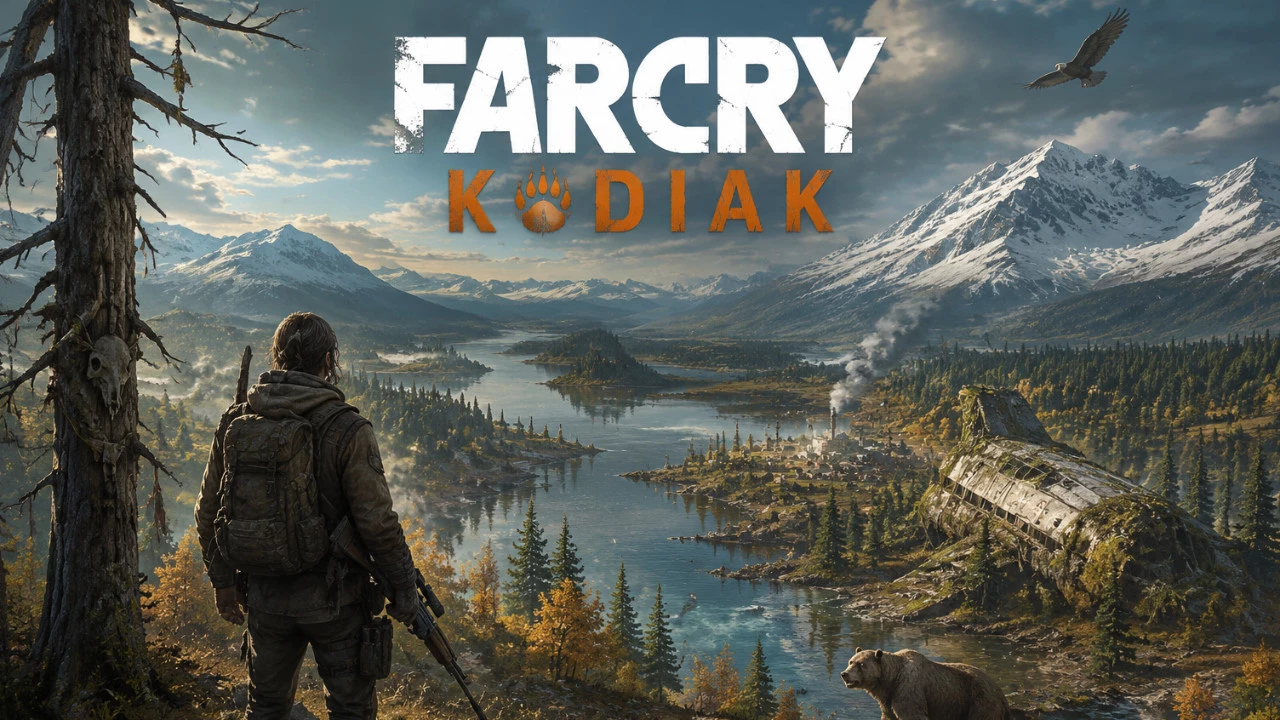
Ubisoft has officially greenlit full development of a new Far Cry game operating under the codename “Kodiak,” marking a significant shift in direction for one of gaming’s most beloved open-world franchises. This announcement comes as the French gaming giant attempts to revitalize its flagship series following the cancellation of a previous project known as “Maverick,” which had been exploring an extraction-style gameplay format that ultimately failed to gain internal traction. The move signals Ubisoft’s commitment to returning to the franchise’s core strengths while potentially introducing fresh innovations that could redefine the Far Cry experience for a new generation of players.
From Maverick to Kodiak: A Strategic Pivot
The transition from Project Maverick to Project Kodiak represents more than just a simple name change—it reflects a fundamental reassessment of what the Far Cry franchise should become. Maverick had reportedly been in development as an extraction shooter, a genre that has seen explosive growth with titles like Escape from Tarkov and Hunt: Showdown capturing significant market attention. However, sources indicate that Ubisoft leadership grew concerned about market saturation in the extraction genre and the potential disconnect between this format and what longtime Far Cry fans expect from the series. The decision to pivot toward Kodiak suggests the company is now pursuing a more traditional open-world approach while incorporating select innovative elements that could differentiate it from previous entries.
Industry analysts note that this kind of strategic redirect is not uncommon in AAA game development, particularly when market conditions shift during lengthy development cycles. The extraction shooter market has become increasingly competitive, with even established players struggling to maintain player bases against constant new entrants. By abandoning Maverick in favor of Kodiak, Ubisoft appears to be betting that Far Cry’s strength lies in its signature formula of charismatic villains, exotic locations, and emergent open-world chaos rather than in following current multiplayer trends.
The Far Cry Legacy: Two Decades of Open-World Innovation
The Far Cry franchise has been a cornerstone of Ubisoft’s portfolio since its inception in 2004, when Crytek developed the original game as a technological showcase. Over the subsequent two decades, the series has evolved dramatically, with Far Cry 3 in 2012 often credited as the transformative entry that established the modern template—featuring memorable antagonist Vaas Montenegro, whose “definition of insanity” monologue became an iconic gaming moment. Subsequent entries including Far Cry 4, Far Cry 5, and Far Cry 6 have refined this formula while exploring diverse settings from the Himalayan mountains to the fictional Caribbean island of Yara.
Far Cry 6, released in 2021 and starring Giancarlo Esposito as dictator Antón Castillo, achieved commercial success but also highlighted certain franchise fatigue among critics who noted the iterative nature of the gameplay loop. This reception likely influenced Ubisoft’s decision to experiment with the extraction format through Maverick before ultimately returning to a more grounded development approach with Kodiak. The challenge facing the development team now is balancing fan expectations for familiar gameplay elements with the need for meaningful innovation that justifies a new entry.
Ubisoft’s Broader Strategic Challenges
The Kodiak announcement arrives during a turbulent period for Ubisoft, which has faced mounting pressure from shareholders, acquisition rumors, and mixed reception for several recent releases. The company has been actively restructuring its development priorities, canceling underperforming projects while doubling down on proven franchises. Far Cry represents one of Ubisoft’s most reliable revenue streams, making the success of this new entry particularly crucial for the publisher’s long-term stability. Reports suggest that Kodiak is being developed with a focus on next-generation hardware capabilities, potentially leveraging the Snowdrop engine that has powered recent Tom Clancy titles.
While specific details about Kodiak’s setting, characters, and gameplay innovations remain closely guarded, the codename itself offers intriguing possibilities. Kodiak bears, native to Alaska and known for their immense size and power, could hint at a North American wilderness setting—a departure from the tropical and exotic locations that have defined recent entries. Such a setting would allow Ubisoft to explore themes of survival, isolation, and humanity’s relationship with untamed nature while potentially introducing new gameplay mechanics centered around harsh environmental conditions.
Expert Opinion: The pivot from an extraction-based Far Cry to a more traditional open-world approach demonstrates Ubisoft’s recognition that franchise identity matters more than chasing trends. With the extraction shooter market showing signs of oversaturation, Kodiak’s success will likely depend on whether Ubisoft can deliver genuine innovation within the familiar Far Cry framework—expect a 2026 or 2027 release window that coincides with the next wave of console hardware updates.