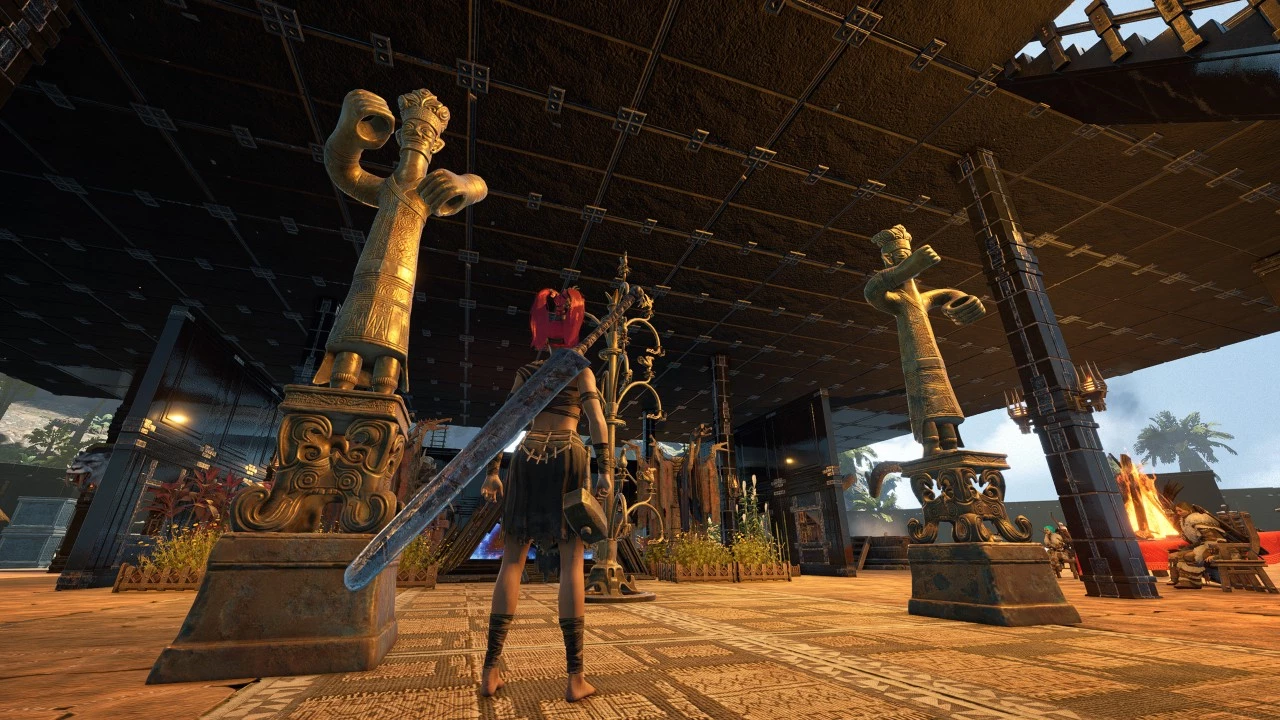
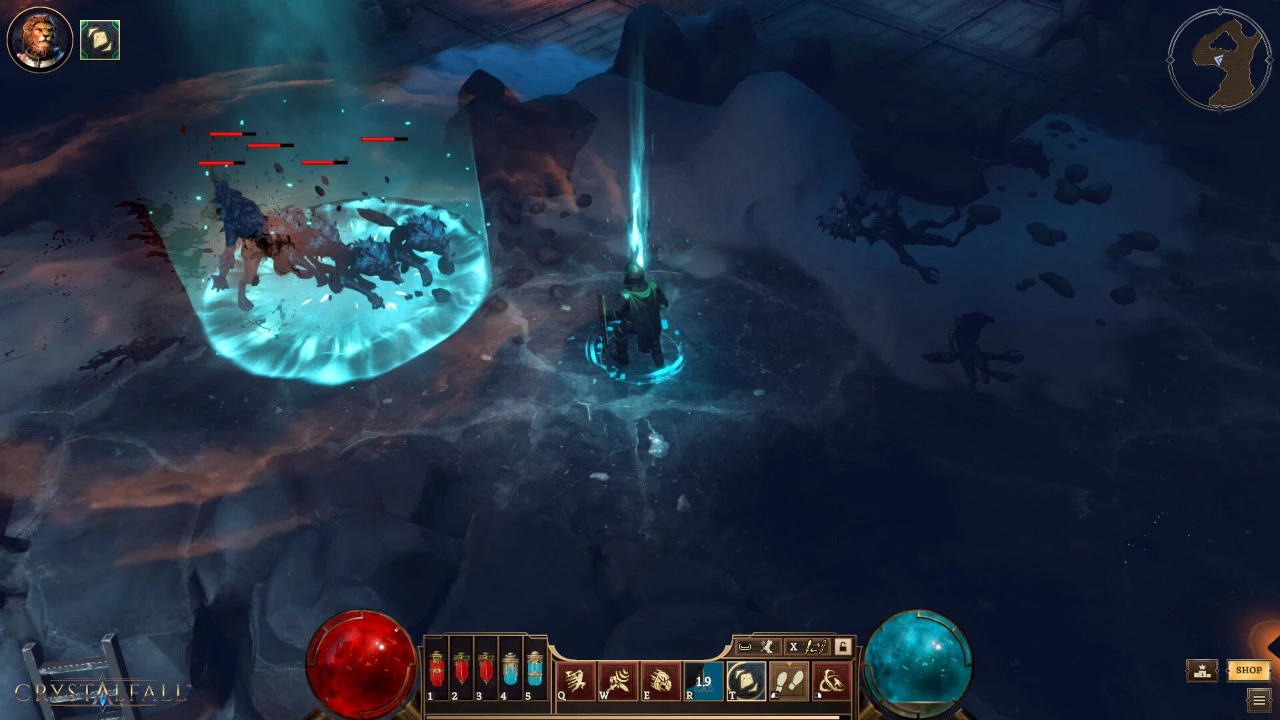
The online component of the early access action RPG Crystalfall has officially ceased to exist — the game’s servers have been permanently shut down. This marks another cautionary tale in the gaming industry about the risks of launching online-dependent titles without sufficient player base or financial backing. Players who purchased the game during its early access phase can now only experience it in offline mode, effectively transforming what was intended to be a multiplayer experience into a single-player adventure.
The Rise and Fall of an Ambitious Project
Crystalfall entered the crowded action RPG market hoping to capture some of the magic that made titles like Diablo, Path of Exile, and Grim Dawn so beloved by fans of the genre. The game featured classic hack-and-slash gameplay mechanics, procedurally generated dungeons, and a loot system designed to keep players engaged for hundreds of hours. However, despite its promising premise, the title struggled to find its audience in an increasingly competitive landscape. The early access launch failed to generate the momentum developers had hoped for, and the player count remained disappointingly low throughout its brief online existence.
The decision to shut down servers comes as no surprise to industry observers who have witnessed similar fates befall numerous online-focused indie games. Maintaining server infrastructure requires ongoing financial resources, and without a sustainable player base generating revenue through purchases or microtransactions, developers often face an impossible economic equation. The cost of keeping servers running simply cannot be justified when only a handful of players are logging in regularly.
A Growing Trend in the Gaming Industry
The shutdown of Crystalfall’s servers highlights a concerning trend in modern gaming — the increasing number of titles that become unplayable or severely limited when their online services are discontinued. Unlike traditional single-player games that can be enjoyed indefinitely, many contemporary releases are built around always-online frameworks that leave players with nothing when the plug is pulled. This has sparked ongoing debates within the gaming community about digital preservation and consumer rights. Some countries have begun exploring legislation that would require publishers to provide offline alternatives or release server code when they decide to terminate online services.
Fortunately for Crystalfall owners, the developers made the decision to convert the game into an offline-only experience rather than rendering it completely unplayable. This approach, while not ideal for those who purchased the game specifically for its multiplayer features, at least allows players to continue enjoying the core gameplay loop. The transition to offline mode typically involves removing features that required server verification, such as online leaderboards, cooperative multiplayer, and sometimes certain anti-cheat mechanisms.
Lessons for Developers and Players Alike
The story of Crystalfall serves as an important reminder for both game developers and consumers. For developers, it underscores the importance of having contingency plans for online services and being transparent with players about the long-term viability of their products. For players, it highlights the risks associated with purchasing early access titles, particularly those with significant online components. The early access model, while valuable for funding independent development, carries inherent uncertainties that buyers should carefully consider before investing their money. As the gaming industry continues to evolve, the balance between online connectivity and offline accessibility remains a crucial consideration for any new release.
Expert Opinion: The Crystalfall situation reflects a broader sustainability crisis in the indie online gaming space, where smaller studios often underestimate the long-term costs of maintaining live services. Moving forward, we can expect more developers to adopt hybrid models that prioritize offline functionality from day one, treating online features as enhancements rather than requirements. This shift may ultimately benefit consumers while forcing the industry to reconsider the always-online paradigm that has dominated the past decade.