The pirate theme occupies a unique niche in the gaming industry — not as ubiquitous as military shooters or fantasy RPGs, yet possessing an undeniable charm that has spawned some truly memorable titles over the decades. From swashbuckling action adventures to deep naval strategy simulations, games featuring cutlass-wielding rogues sailing the Caribbean seas have carved out their own treasured place in gaming history. Whether you dream of commanding a mighty galleon, engaging in sword fights on sun-bleached decks, or managing your own pirate empire, there’s a game out there waiting to fulfill your seafaring fantasies.
The Golden Age of Pirate Gaming
The fascination with pirates in video games dates back to the earliest days of the medium, but it truly flourished in the 1980s and 1990s. Sid Meier’s Pirates!, originally released in 1987 and later remade in 2004, established the template for what a comprehensive pirate experience could be. The game masterfully combined naval combat, trading, romance, and exploration into a cohesive package that influenced countless titles that followed. This era also saw the birth of the beloved Monkey Island series from LucasArts, which took a more comedic approach to the genre while delivering some of the finest point-and-click adventure gameplay ever created. These foundational titles proved that pirate games could succeed across multiple genres and appeal to diverse audiences.
The historical period known as the Golden Age of Piracy, spanning roughly from 1650 to 1730, provides rich material for game developers. This era saw legendary figures like Blackbeard, Anne Bonny, and Captain Kidd terrorizing merchant vessels across the Caribbean, Atlantic, and Indian Oceans. The romanticized image of pirates — complete with buried treasure, mysterious maps, and the iconic Jolly Roger flag — has become deeply embedded in popular culture, making it natural fodder for interactive entertainment. Game developers have drawn extensively from this historical period, often blending fact with fiction to create compelling narratives and atmospheric settings.
Action and Adventure on the High Seas
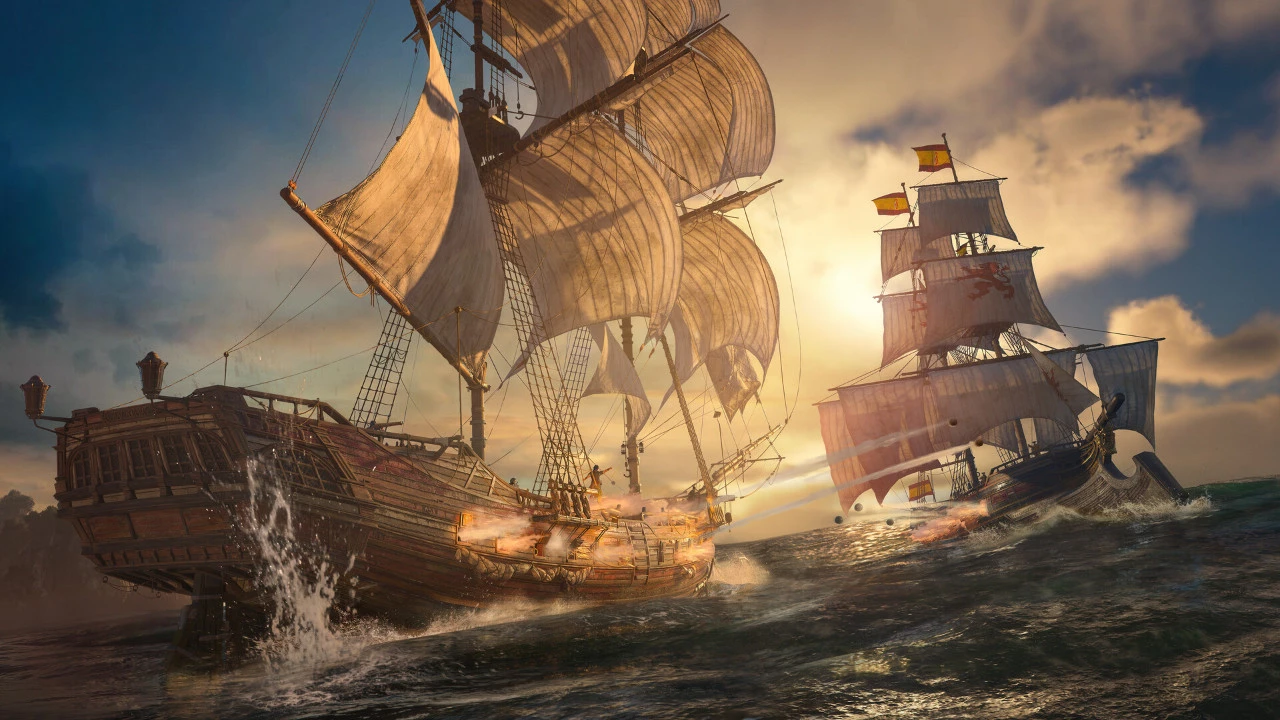
When it comes to action-oriented pirate games, Assassin’s Creed IV: Black Flag stands as perhaps the most acclaimed example in recent memory. Released in 2013, Black Flag transported players to the Caribbean during the twilight of the Golden Age, putting them in the boots of Edward Kenway, a privateer turned pirate. The game’s seamless integration of naval combat with the series’ trademark parkour and stealth mechanics created an immersive experience that many fans consider the pinnacle of the franchise. The freedom to explore a vast open world, raid enemy ships, hunt for treasure, and interact with historical pirates made Black Flag a benchmark for the genre. Following its success, Ubisoft released Skull and Bones in 2024, focusing even more heavily on naval warfare and multiplayer pirate adventures.
The Sea of Thieves phenomenon deserves special mention for revolutionizing multiplayer pirate gaming. Rare’s 2018 title dropped players into a shared world where cooperation and competition with other pirate crews created emergent, unforgettable experiences. From hunting megalodons to solving ancient riddles and engaging in chaotic ship-to-ship battles, Sea of Thieves demonstrated that the social aspects of piracy — the camaraderie, betrayal, and unpredictability — could be just as compelling as scripted narratives. The game has continued to evolve with substantial content updates, maintaining a dedicated player base years after launch.
Strategy and Simulation for Armchair Admirals
For players who prefer cerebral challenges over reflexive action, the strategy genre offers numerous pirate-themed options. Port Royale series allows players to build trading empires across the Caribbean, managing economics, diplomacy, and naval power in pursuit of dominance. The Tropico franchise, while not exclusively pirate-focused, has incorporated buccaneer elements that let players embrace their inner dictator with a nautical twist. These games appeal to those who appreciate the logistics and planning behind running a successful pirate operation — managing crew morale, maintaining ships, and navigating the complex political landscape of colonial-era Caribbean nations.
Role-playing games have also embraced pirate settings with enthusiasm. Risen 2: Dark Waters and its sequel offered fantasy-infused pirate adventures with deep character progression systems. Pillars of Eternity II: Deadfire transported the critically acclaimed RPG series to an archipelago setting, combining classic isometric gameplay with naval exploration and combat. These titles demonstrate that the pirate fantasy extends beyond simple action, encompassing character development, moral choices, and rich storytelling that rewards patient, invested players.
Expert Opinion: The pirate gaming genre is experiencing a renaissance, driven by both nostalgia and technological advancement. With Ubisoft’s continued investment in naval combat systems and indie developers exploring unique takes on the theme, we can expect increasingly sophisticated pirate experiences that leverage modern hardware capabilities. The success of live-service titles like Sea of Thieves suggests that multiplayer pirate adventures will continue to dominate, while single-player enthusiasts can look forward to narrative-driven experiences that push storytelling boundaries.