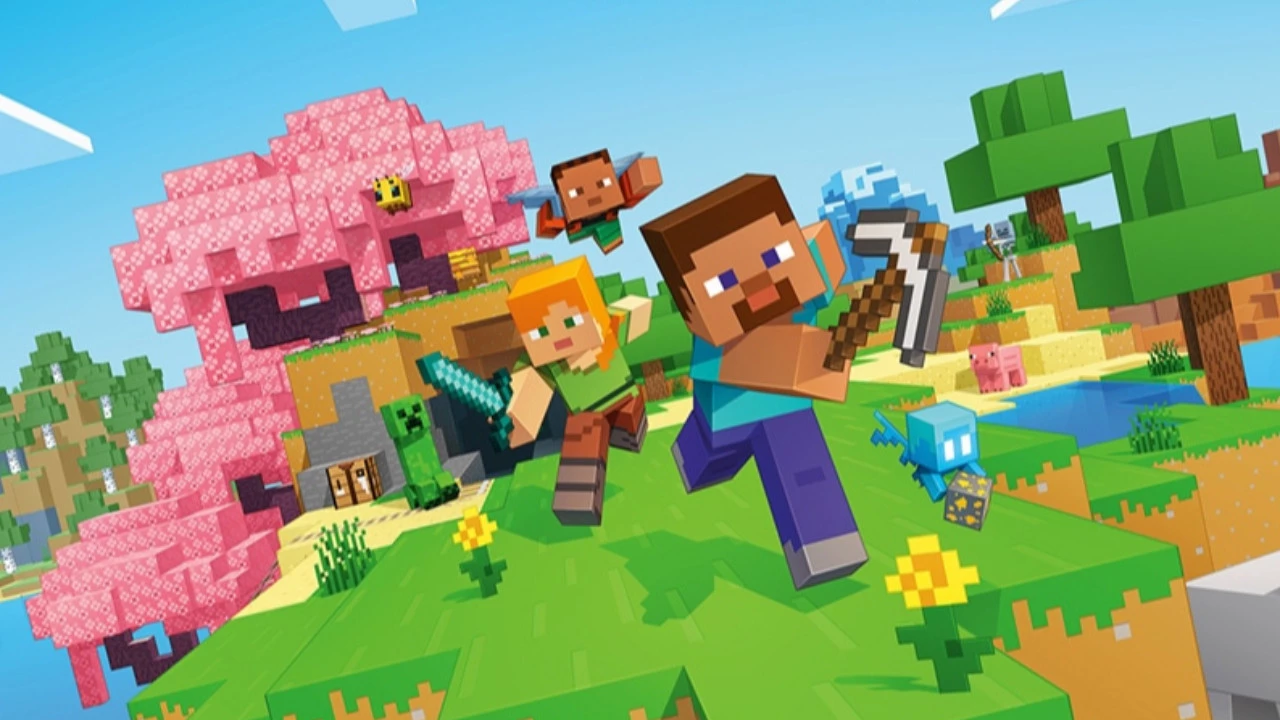
In a significant update that marks a historic shift for one of the world’s most popular video games, Microsoft has officially raised the system requirements for Minecraft: Java Edition for the first time since the game’s inception. This unprecedented change comes after nearly two decades of the iconic sandbox game running on virtually any hardware, from aging office computers to modern gaming rigs. The decision reflects the substantial technical evolution the game has undergone since its humble beginnings in 2009.
Minecraft, created by Swedish developer Markus “Notch” Persson and later acquired by Microsoft for a staggering $2.5 billion in 2014, has always been celebrated for its accessibility. The game’s blocky, pixelated aesthetic was not merely an artistic choice but also a practical one, allowing players with modest hardware to enjoy building, exploring, and surviving in procedurally generated worlds. For seventeen years, this low barrier to entry contributed significantly to Minecraft becoming the best-selling video game of all time, with over 300 million copies sold worldwide.
Why the Requirements Changed Now
The updated system requirements reflect years of accumulated improvements, new features, and graphical enhancements that have gradually transformed Minecraft from its original state. Recent updates have introduced more complex lighting systems, improved particle effects, expanded world generation algorithms, and enhanced multiplayer capabilities. The game’s rendering engine has been significantly overhauled to support modern graphics features while maintaining the beloved visual style that defined a generation of gaming.
Industry analysts point out that this change was inevitable given the game’s continuous development cycle. Unlike many titles that receive sequels, Minecraft has been updated as a single evolving product, with each major update adding new dimensions, creatures, biomes, and gameplay mechanics. The Caves and Cliffs update, for instance, dramatically increased world height and depth, requiring more computational resources to generate and render these expanded environments. Similarly, the introduction of ray tracing support for the Bedrock Edition signaled Microsoft’s intention to leverage modern hardware capabilities.
Impact on the Player Community
The announcement has sparked mixed reactions within the massive Minecraft community. While many players with modern systems will notice no difference, there are concerns about accessibility for players in developing regions or younger audiences who rely on older family computers. Minecraft’s education edition, widely used in schools worldwide, may also face challenges as educational institutions often operate with limited IT budgets and aging hardware. Microsoft has not yet announced whether grace periods or legacy support options will be provided for players unable to meet the new specifications.
However, supporters of the change argue that raising requirements will enable developers to implement features previously impossible due to backward compatibility constraints. The Java Edition, in particular, has long struggled with performance optimization issues that stem partly from supporting ancient hardware configurations. By establishing a new baseline, Mojang Studios can potentially deliver better performance, more sophisticated gameplay mechanics, and improved visual fidelity without the burden of legacy support holding back innovation.
The Future of Minecraft
This requirements update may signal a new era for Minecraft as Microsoft continues to invest heavily in the franchise. With the recent theatrical release of “A Minecraft Movie” and ongoing development of both Java and Bedrock editions, the company clearly views Minecraft as a cornerstone of its gaming strategy. The raised specifications suggest that major technical improvements are on the horizon, possibly including enhanced graphics options, improved multiplayer server performance, or entirely new gameplay features that current minimum hardware simply cannot support.
As gaming technology continues to advance and older hardware becomes increasingly obsolete, similar updates from other long-running games may follow. Minecraft’s decision to finally raise its requirements after seventeen years demonstrates how even the most accessible games must eventually adapt to technological progress, balancing the need for innovation against the desire to remain available to the widest possible audience.
Expert Opinion: This system requirements update represents a strategic pivot for Microsoft, trading some accessibility for technical headroom that will enable more ambitious future updates. Given Minecraft’s educational market penetration and global reach, we can expect Microsoft to introduce a “legacy mode” or similar solution within the next year to maintain institutional users. The timing also suggests major graphical or gameplay overhauls are planned for Minecraft’s potential 20th anniversary celebrations in 2029.