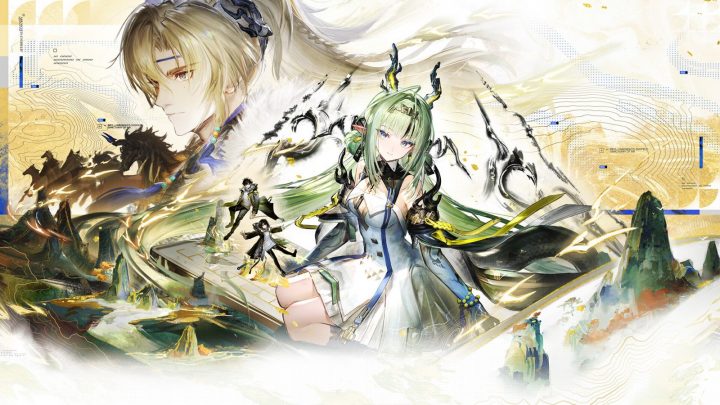
Zenless Zone Zero Beginner’s Guide: New Eridu, Hollows and Agents
New Eridu, the Proxy siblings, Hollows, action combat, Inter-Knot Level and Battery Charge: a plain guide to starting Zenless Zone Zero.
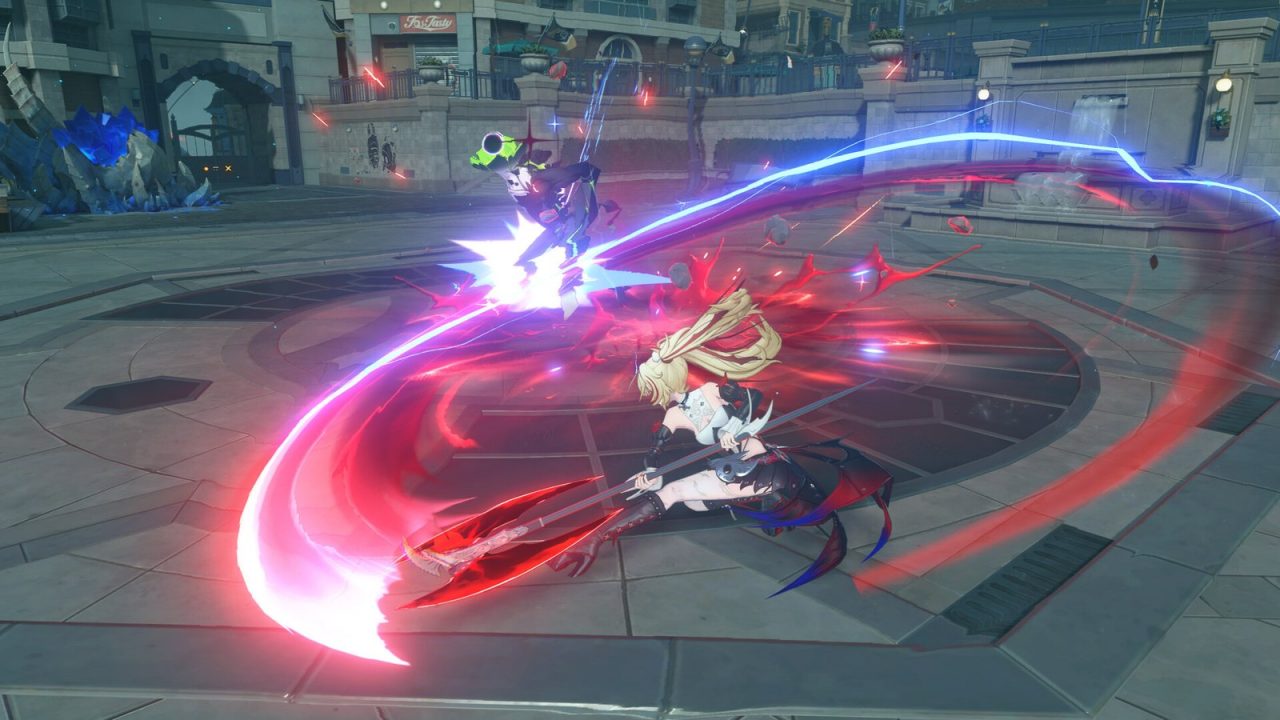
Zenless Zone Zero, usually shortened to ZZZ, is HoYoverse’s urban action game: a stylish, music-heavy take on the gacha model with fast combat, a city full of shops and side characters, and a story told partly through comic-style panels. It looks very different from Genshin Impact and Honkai: Star Rail, and it also uses different names for familiar systems. This guide explains the setting, the main characters, how Hollow exploration has evolved, the basics of combat, and the terms you will see everywhere, from Inter-Knot Level to Battery Charge and Signal Search.
Platforms, Release Date and Age Rating
Zenless Zone Zero launched worldwide on July 4, 2024 for Windows, PlayStation 5, iOS and Android. An Xbox Series X|S version followed on June 6, 2025, after an initial period in which PlayStation was the only console version. The game is free to download, and progress is tied to a HoYoverse account, which lets you continue on other platforms; paid currency may be tied to the platform where you bought it.
In North America the ESRB rates Zenless Zone Zero Teen, with an “In-Game Purchases (Includes Random Items)” notice. European PEGI ratings can differ by storefront, so check the listing for your region. If you are new to gacha games in general, start with our explainer on how the gacha model works.
The Setting: New Eridu and the Hollows
The game is set in New Eridu, a city that survived a catastrophe caused by Hollows: spreading supernatural disaster zones that warp space and spawn monsters called Ethereals. Hollows are deadly, but they also contain valuable resources, so a whole economy has grown up around them. New Eridu is the city that learned to live next to the danger and profit from it.
Exploring a Hollow is risky because its interior shifts constantly. That is where Proxies come in: guides who can navigate Hollows remotely and lead others safely in and out. Proxy work is semi-legal, and the best-known Proxy in the city goes by the name Phaethon.
The Proxy siblings
You play as Wise or Belle, a brother and sister who run a video rental store called Random Play by day and secretly work as Phaethon. You choose one sibling as your main character, and the other remains a constant presence in the story. Instead of entering Hollows yourself, you guide Agents, the playable combat characters, through them, often by linking to a small rabbit-like robot called a Bangboo.
Agents and factions
Agents belong to factions, such as the freelancing Cunning Hares, the maid-themed Victoria Housekeeping, and the city’s public security forces. The Cunning Hares, including Anby, Billy and Nicole, are your first allies, and the story introduces new factions as it goes. Much of the game’s charm comes from these groups and their banter.
Hollow Exploration: TV Mode and How It Changed
At launch, much of the exploration inside Hollows used a format officially called Array Mode and nicknamed “TV mode” by players. You moved a Bangboo across a grid of television screens, each tile representing a room, solving puzzles and triggering events before combat started. It was distinctive, but reception was mixed and many players felt it slowed story missions down.
HoYoverse responded quickly. Starting with version 1.2 in September 2024, new story content moved away from TV mode in favor of more direct, third-person exploration, and later updates reduced it further. Version 2.0 in 2025 also reworked the hub city and interface. TV mode still exists in some places, notably the Hollow Zero: Withered Domain roguelite activity and certain events, so you will likely meet it, but it no longer dominates the experience.
If an older video or guide shows hours of TV-screen grids, that is why: the game you download today feels noticeably different from the launch version.
Combat Basics
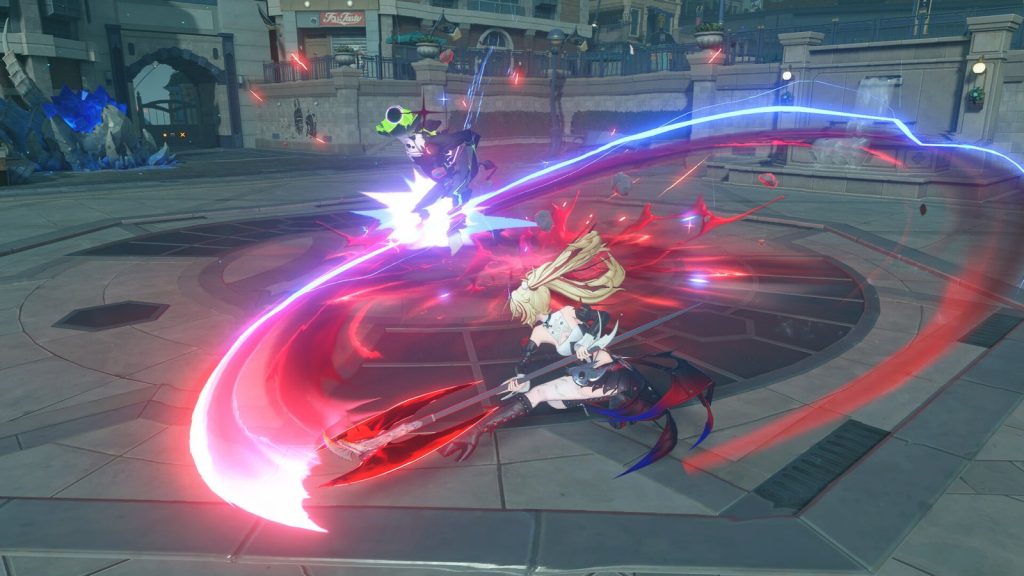
Combat is real-time and fast. You bring a squad of three Agents plus a Bangboo helper, control one Agent at a time and switch freely. The core inputs are basic attacks, a Special Attack, a stronger EX Special Attack that consumes energy, dodges and an Ultimate.
Dodging and assists
Timing a dodge just as an enemy attack lands triggers a Perfect Dodge, which slows the moment and enables a counter. Enemy attacks that flash with a warning can be answered by switching to another Agent at the right time, triggering an assist that parries or evades the attack. Learning to watch for these flashes is the single biggest step from beginner to comfortable player.
Daze, Stun and Chain Attacks
Every enemy has a Daze bar. Hits fill it, and when it is full the enemy is Stunned and takes extra damage for a short window. Heavy hits on a stunned or staggered enemy can trigger Chain Attacks, in which your Agents tag in one after another for big combo strikes. This rhythm, build Daze, Stun, Chain, unload damage, is the heart of ZZZ’s combat.
Attributes and specialties
Agents have an attribute (Physical, Fire, Ice, Electric or Ether) and a specialty that defines their role, such as Attack for damage, Stun for building Daze quickly, Anomaly for status buildup, Support, and Defense. Later updates have added further specialties. Matching attributes and pairing a damage dealer with a Stun Agent is a good starting principle.
Key Terms: Inter-Knot Level, Battery Charge and More
| Term | What it means | Closest equivalent elsewhere |
|---|---|---|
| Inter-Knot Level | Your account level; unlocks features and content | Adventure Rank, Trailblaze Level |
| Battery Charge | Stamina spent on reward stages for upgrade materials | Original Resin, Trailblaze Power |
| Signal Search | The gacha pull system | Wish, Warp |
| Polychromes | Premium currency, earnable through play | Primogems, Stellar Jade |
| Master Tapes / Encrypted Master Tapes | Pull tickets for permanent and limited channels | Fates, Star Rail Passes |
| W-Engines | Equippable weapons | Weapons, Light Cones |
| Drive Discs | Gear with random stats | Artifacts, Relics |
| Bangboo | Robot companions that assist in combat | No direct equivalent |
Battery Charge in practice
Battery Charge regenerates at one point every six minutes, with a natural cap of 240, enough to cover a full day. It is spent on combat simulations and other reward stages for leveling materials, Drive Discs and Dennies (the basic currency). Story, side quests and city activities do not need it. As in other HoYoverse games, extra stamina can be bought with premium currency, and for most players that is poor value compared with simply playing at the normal pace.
Signal Search channels
Signal Search is split into channels: the permanent Stable Channel, the limited Exclusive Channel for featured Agents, the W-Engine Channel and the Bangboo Channel. Each has its own pity counter and rules, published on its details page. Our guide to pity, soft pity and guarantees explains how to read them.
What to Focus On in Your First Weeks
- Play the main story. It unlocks most systems, and the comic-panel cutscenes are a big part of the game’s personality.
- Complete daily tasks. A short daily checklist gives Polychromes and Inter-Knot EXP.
- Spend Battery Charge daily once leveling matters. Pick one team and farm its materials.
- Build a balanced trio. One damage dealer, one Stun or Anomaly Agent and a support or defender is a reliable template.
- Practice dodges and assists. Better timing improves results more than better gear early on.
- Explore the city. New Eridu’s shops, arcade and side characters provide small rewards and plenty of flavor.
- Leave Drive Disc perfection for later. Random stats matter in endgame; early on, equip sensible main stats and move on.
Common Beginner Mistakes
- Button mashing. Without dodges and assists, harder fights feel unfair. Watch for warning flashes.
- Ignoring Daze. Damage on a stunned enemy is much higher. A Stun Agent often matters more than a second damage dealer.
- Judging the game by old footage. TV mode is far less prominent than at launch.
- Splitting pulls across every channel. Each channel has its own counter; spreading currency thin leaves all of them short.
- Feeling rushed by timers. Limited Agents often return in reruns, and skipping a banner keeps your pity intact.
Quick FAQ
Do I need to play Genshin Impact or Honkai: Star Rail first?
No. Zenless Zone Zero has its own world and story. It shares a publisher and some design ideas with HoYoverse’s other games, but no story knowledge carries over.
Does the choice between Wise and Belle matter?
It changes which sibling you control and some dialogue, but both siblings appear in the story either way. Pick whichever you prefer.
Can I play with a controller on PC?
Yes. The game supports controllers on PC, and the console versions are built around them. Many players find dodges and assists more comfortable on a gamepad, but keyboard and mouse work well too.
What happens if my Battery Charge is full?
Natural regeneration stops at the cap, so a full bar means some charge is being wasted. That is not a disaster: missing a day only slows material farming slightly and does not lock you out of anything.
Is ZZZ a Good First Gacha Game?
For players who enjoy action combat, strong art direction and an urban setting, it is an approachable choice. Missions are relatively short and the city hub is compact, which suits brief sessions. As with any gacha game, decide before you start whether you will spend money at all; zero is a perfectly valid answer, and the main story is fully playable with the free Agents the game gives you. The challenge modes are optional extras, not requirements.