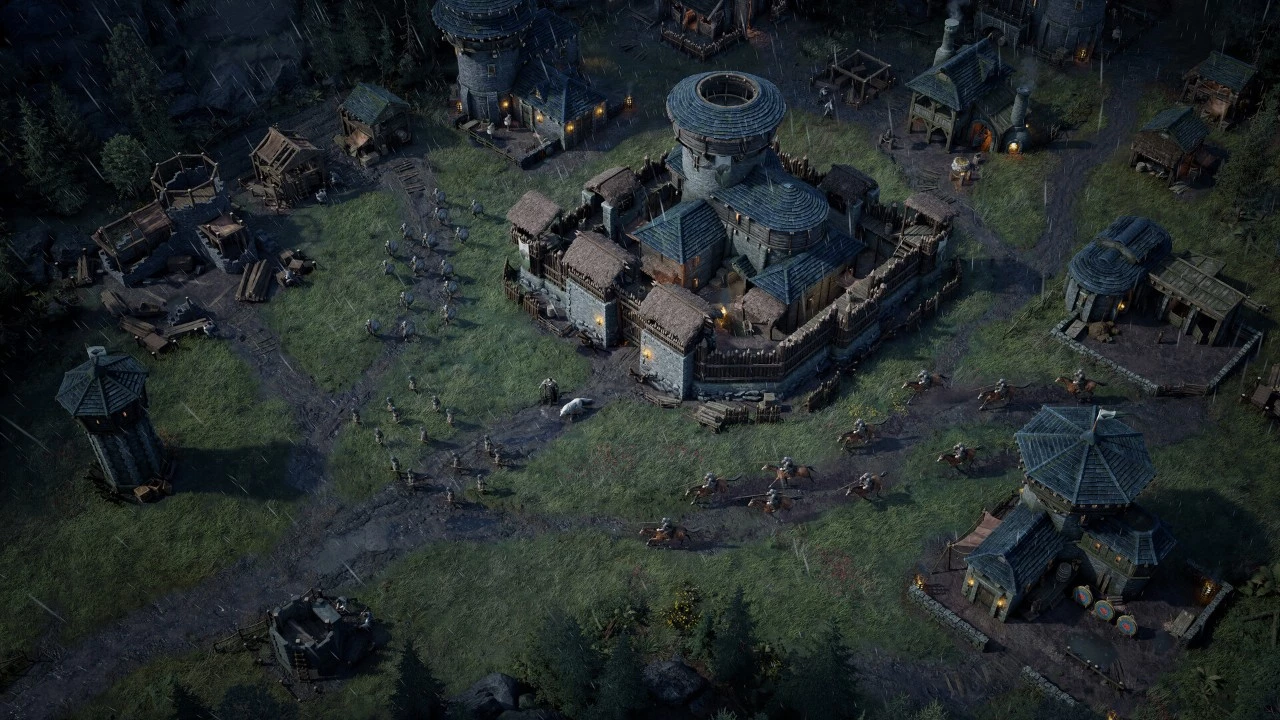
The highly anticipated real-time strategy game Game of Thrones: War for Westeros, which was announced just one year ago, will not be arriving on schedule. Developer PlaySide Studios has officially confirmed that the release has been pushed back from its original late 2025 window to early 2027. The studio cited the familiar refrain heard throughout the gaming industry: the delay is necessary to ensure the highest possible quality for the final product. This postponement adds another chapter to the long and often turbulent history of video game adaptations set in George R.R. Martin’s beloved fantasy universe.
The delay announcement has drawn inevitable comparisons to the author himself, who has famously kept fans waiting for over a decade for “The Winds of Winter,” the sixth book in his “A Song of Ice and Fire” series. Martin has repeatedly stated that quality takes precedence over meeting deadlines, a philosophy that appears to have been adopted by the game’s developers. For fans of the franchise, patience has become an all-too-familiar virtue, whether waiting for new books, television content, or now, video game releases.
A Rich History of Westeros in Gaming
Game of Thrones has had a complicated relationship with the video game industry over the years. While the HBO television series achieved unprecedented cultural dominance during its run from 2011 to 2019, game adaptations have struggled to capture the same magic. Previous attempts include Cyanide Studio’s Game of Thrones RPG in 2012, which received mixed reviews, and Telltale Games’ episodic adventure series from 2014-2015, which was better received but still fell short of blockbuster status. Mobile games like Game of Thrones: Conquest have found commercial success, but a definitive AAA experience set in Westeros has remained elusive.
War for Westeros represents an ambitious attempt to finally deliver a premium strategy experience worthy of the source material. The real-time strategy genre seems particularly well-suited to the political machinations and large-scale warfare that define Martin’s world. Players will presumably command armies, forge alliances, and scheme for control of the Iron Throne, elements that lie at the very heart of the franchise’s appeal. PlaySide Studios, an Australian developer known for their work on various licensed properties and original titles, has taken on the considerable challenge of bringing this vision to life.
The State of Game Development in 2025
PlaySide’s decision to delay War for Westeros reflects broader trends in the contemporary gaming industry. Following several high-profile disasters where games launched in unfinished states—most notably Cyberpunk 2077 in 2020—publishers and developers have become increasingly willing to push back release dates rather than risk damaging their reputation with a problematic launch. The costs of releasing a broken game can be devastating, both financially and in terms of consumer trust, making delays a more palatable option despite the short-term disappointment they cause.
The strategy game genre itself has experienced something of a renaissance in recent years, with titles like Total War: Warhammer III, Age of Empires IV, and various Paradox Interactive releases demonstrating strong market demand for complex, engaging strategy experiences. This competitive landscape means that War for Westeros will need to deliver excellence to stand out, providing additional justification for PlaySide’s cautious approach. The combination of a beloved intellectual property with a proven genre formula could yield spectacular results if executed properly.
What Fans Can Expect Moving Forward
While specific details about War for Westeros remain relatively scarce, the extended development timeline suggests that PlaySide is committed to delivering a polished, content-rich experience. The early 2027 release window gives the studio approximately eighteen additional months of development time, a significant extension that could allow for substantial improvements to gameplay systems, visual fidelity, and overall polish. For a franchise with such devoted fans and high expectations, this extra time could prove crucial in determining whether the game succeeds or fails in the crowded marketplace.
The Game of Thrones franchise continues to expand beyond this single title, with HBO’s House of the Dragon series maintaining audience interest in Westeros and additional spin-off projects in various stages of development. This ongoing multimedia presence ensures that the brand will remain relevant by the time War for Westeros finally arrives, potentially even benefiting from new content releases that could reignite fan enthusiasm. For now, players must wait patiently, much like readers awaiting Martin’s next novel, hoping that the final product will justify the extended timeline.
Expert Opinion: The eighteen-month delay signals that PlaySide is taking the IP seriously and understands the reputational stakes involved with a major franchise like Game of Thrones. Given the strategy genre’s demanding fanbase and the franchise’s troubled gaming history, this cautious approach is strategically sound. If executed properly, a 2027 release could capitalize on continued franchise expansion through HBO content while delivering the definitive Westeros strategy experience that fans have long desired.